
We Were Liars is a young adult psychological mystery by American author E. Lockhart. Set on an isolated private island owned by a wealthy New England family, the novel combines romance, family conflict, fragmented memories and a devastating secret.
At the centre of the story is Cadence Sinclair Eastman, a teenage girl who cannot clearly remember the accident that changed her life. When she returns to her family’s island, she begins searching for the truth. The people closest to her avoid her questions, her memories arrive in painful fragments, and the beautiful Sinclair family slowly reveals a much darker side.
The novel first appears to be a summer romance surrounded by privilege. As the story develops, however, it becomes an exploration of grief, guilt, inequality and the stories families create to protect their reputation.
This complete guide explains the plot, characters, themes, symbolism and ending of We Were Liars. Readers who have not finished the novel should expect major spoilers.
BIO
| Label | Information |
|---|---|
| Title | We Were Liars |
| Author | E. Lockhart |
| Genre | Young adult, mystery, psychological fiction |
| First Published | 2014 |
| Setting | Beechwood Island, Massachusetts |
| Main Character | Cadence Sinclair Eastman |
| Key Characters | Gat, Johnny, Mirren, Sinclair family |
| Main Themes | Family, privilege, love, guilt, grief |
| Story Focus | A girl uncovers the truth behind a forgotten tragedy |
| Famous For | Its shocking plot twist and emotional ending |
| Related Book | Family of Liars (prequel) |
| TV Adaptation | Adapted into a television series by Prime Video |
What Is We Were Liars About?
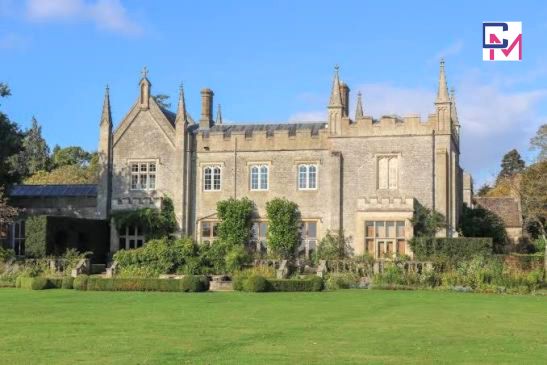
We Were Liars follows the Sinclair family, a rich and respected American family that spends its summers on Beechwood Island, a private island near Massachusetts.

The family is led by Harris Sinclair, a wealthy patriarch who owns the island. His three adult daughters—Carrie, Bess and Penny—each stay in separate houses with their children. From the outside, their summers look peaceful and luxurious. They swim, play tennis, eat together and enjoy the privacy of their coastal homes.
Behind this polished image, the family is deeply divided.
Harris uses his wealth and property to influence his daughters. The women compete for his approval and argue over which possessions, houses and financial benefits they will eventually inherit. Old resentments shape nearly every family gathering.
Cadence, Penny’s eldest daughter, spends her summers with her cousins Johnny and Mirren. They are joined by Gat Patil, the nephew of Carrie’s partner. Together, the four teenagers are known as the Liars.
Their friendship gives Cadence a sense of freedom from the expectations of the Sinclair family. Her connection with Gat gradually becomes romantic, but their relationship also forces her to see the inequality and prejudice hidden beneath her family’s attractive surface.
The Author
E. Lockhart is the pen name of writer Emily Jenkins. She is known for young adult novels that examine identity, privilege, social expectations and complicated relationships.
Lockhart studied literature and has an academic background in nineteenth-century British fiction. That influence can be seen in We Were Liars, particularly in its references to fairy tales, inherited wealth and destructive family competition.
The author has described We Were Liars, Family of Liars and We Fell Apart as books belonging to the same fictional universe. Although the related novels can stand independently, Lockhart recommends beginning with We Were Liars because the other stories contain spoilers for its central mystery.
Main Characters
Cadence Sinclair Eastman is the narrator and central character. She is intelligent, sensitive and increasingly uncomfortable with her family’s obsession with appearance and wealth. After suffering a serious accident, she experiences memory loss, migraines and emotional distress.
Because the story is told through Cadence’s perspective, readers know only what she knows. Her limited memory makes her an unreliable narrator, although she is not deliberately attempting to deceive the audience.
Gat Patil is thoughtful, politically aware and willing to challenge the Sinclair family. Unlike the Sinclairs, he does not belong to their wealthy world. He notices racism, class inequality and the careless way privilege shapes the family’s behaviour.
Gat and Cadence fall in love, but their relationship is complicated by Harris Sinclair’s disapproval and Cadence’s limited understanding of Gat’s experiences.
Johnny Sinclair Dennis is Cadence’s cousin and one of the Liars. He is humorous, energetic and often appears more carefree than the other characters. His confidence helps bring the group together.
Mirren Sinclair Sheffield is another of Cadence’s cousins. She is gentle, imaginative and emotionally observant. She often dreams of a life different from the one expected by her family.
Penny Sinclair Eastman, Cadence’s mother, places enormous importance on self-control and family reputation. She teaches Cadence to remain calm, look attractive and avoid discussing uncomfortable subjects.
Harris Sinclair is Cadence’s grandfather and the owner of Beechwood Island. He presents himself as a generous family leader, but he frequently manipulates his daughters by promising or withholding money and property.
The Sinclair Family
The Sinclairs describe themselves as beautiful, successful and united. They take pride in their blond hair, physical appearance and respected family name.
Their public identity is carefully managed. They do not openly discuss weakness, financial dependence, addiction, grief or conflict. Pain must be hidden, and problems must never damage the family image.
This culture of silence becomes one of the most important forces in the novel.
Harris encourages competition among his daughters. Instead of helping them become independent, he keeps them dependent on his approval. Each daughter wants financial security for herself and her children, but their attempts to win Harris’s favour damage their relationships.
Cadence eventually recognises that the family’s wealth has not made them generous or emotionally secure. It has created fear, rivalry and entitlement.
Story Summary
During the summer when Cadence is fifteen, she spends her time with Johnny, Mirren and Gat. Her relationship with Gat becomes increasingly serious, but tension grows between Gat and the Sinclair family.
Gat questions the family’s wealth and the systems that allow the Sinclairs to live in luxury. He also knows that Harris does not fully accept him. Gat has an Indian father, and Harris’s treatment of him reveals the racial prejudice hidden behind the family’s supposedly respectable values.
At the same time, the Sinclair sisters argue constantly about inheritance. Houses, jewellery and personal possessions become symbols of Harris’s approval.
Cadence becomes deeply frustrated. She sees how her grandfather manipulates his daughters and how their arguments affect everyone on the island. She and the other Liars begin imagining a dramatic way to end the family’s obsession with wealth.
Later that summer, Cadence is found injured in the water. She is wearing only her underwear and cannot remember what happened.
The accident leaves her with serious migraines and gaps in her memory. She remembers entering the ocean but cannot explain why she was there or how she became injured.
Her mother refuses to provide a full explanation. Whenever Cadence asks about the accident, family members tell her that she must recover her memories naturally.
Cadence does not return to Beechwood the following summer. Instead, she travels through Europe with her father. She writes to Johnny, Mirren and Gat, but receives no meaningful replies.
When she finally returns to the island, she is desperate to reconnect with the Liars and discover the truth.
Return to Beechwood
Back on Beechwood, Cadence notices that the island has changed. The most important difference is the disappearance of Clairmont, the original family home.
Harris has replaced it with a modern house called New Clairmont.
Cadence is told that the old house had problems and was removed, but she senses that something important happened there. The Liars stay in Cuddledown, one of the smaller houses, and Cadence spends much of her time with them away from the adults.
Johnny, Mirren and Gat seem much as she remembers them, but their behaviour is unusual. They avoid certain questions, disappear unexpectedly and rarely interact with the rest of the family.
Cadence initially accepts these strange details because she is focused on rebuilding their friendship. Gradually, however, her memories begin returning.
What Really Happened?
During summer fifteen, Cadence, Johnny, Mirren and Gat decided to destroy Clairmont.
They believed the house represented everything damaging about the Sinclair family: inherited privilege, materialism, manipulation and competition. If the house and its valuable contents disappeared, they thought the adults might stop fighting over possessions.
Their plan was to burn the house while the family was away.
The Liars divided the building into sections. Each person was responsible for setting a fire in a different area before escaping and meeting outside.
Cadence poured fuel and started her part of the fire. She believed Johnny, Mirren and Gat had enough time to leave the house.
But the fire spread faster than they expected.
Johnny, Mirren and Gat were trapped inside Clairmont and died.
Cadence escaped, but she returned toward the burning building when she realised the others had not come out. She suffered burns and injuries before running into the sea. Shock, trauma and overwhelming guilt caused her to suppress the memory of what had happened.
The accident Cadence has been trying to understand was not an unexplained attack or swimming incident. It was the night she accidentally helped cause the deaths of the three people she loved most.
The Ending Explained
The novel’s central revelation is that Johnny, Mirren and Gat have been dead throughout Cadence’s return to Beechwood.
The versions of them she sees are ghosts, hallucinations or psychological projections created by her grief. The book leaves room for readers to decide whether the Liars are literally supernatural beings or whether Cadence’s mind has made them appear real.
Several clues become clear after the revelation.
The Liars spend most of their time alone at Cuddledown. They do not eat normally with the family, participate in large gatherings or maintain ordinary relationships with the other island residents.
Mirren repeatedly complains of feeling unwell. Her illness reflects the injuries she suffered in the fire. The three Liars also avoid discussing their lives away from Beechwood because they no longer have lives beyond the island.
Cadence’s family did not explain the truth because doctors believed she needed to recover her memories herself. Her mother’s silence may also reflect the Sinclair habit of avoiding painful reality.
When Cadence finally remembers the fire, she understands that her friends are gone and that she played a role in their deaths. The Liars do not remain to punish her. They help her face the truth and say goodbye.
Their departure is painful but necessary. Cadence cannot begin living honestly until she accepts that they are dead.
Why the Twist Works
The ending is effective because the novel’s structure places readers inside Cadence’s damaged memory.
Cadence believes the Liars are alive, so their presence initially feels natural. She does not carefully question why they remain separate from the family because her mind is protecting her from the truth.
The novel also uses poetic exaggeration to blur the difference between physical and emotional experience. Cadence describes emotional pain as if she is being shot, cut open or covered in blood.
These descriptions teach readers not to interpret every scene literally. As a result, the appearance of the dead Liars can exist within the same dreamlike language.
The story is narrated in the first person and includes fairy-tale passages, repeated scenes, hallucination-like moments and events that gain new meaning as Cadence remembers more. The publisher’s educational guide identifies this complex structure as an important part of the novel’s storytelling.
Wealth and Privilege
One of the strongest themes in We Were Liars is the destructive nature of unchecked privilege.
The Sinclairs possess private homes, expensive belongings and social influence, yet they are not emotionally healthy. Their wealth allows them to avoid consequences and hide problems rather than confront them.
Gat acts as an outsider who can see what the family ignores. He challenges Cadence to think about where wealth comes from, who benefits from it and who remains excluded.
Cadence begins rejecting her possessions by giving them away. This behaviour is partly an attempt to separate herself from Sinclair materialism. It is also connected to trauma: after losing the Liars, objects no longer feel meaningful to her.
The fire is meant to destroy the physical centre of the family’s greed. Instead, it demonstrates that dramatic moral gestures can have terrible consequences when they are guided by anger rather than careful thought.
Family and Silence
The Sinclair family values appearance more than honesty.
Penny repeatedly encourages Cadence to behave normally, even when she is suffering. This teaches Cadence that painful emotions should be hidden.
The family’s silence after the fire reflects both medical caution and a long-standing pattern of emotional avoidance. No one knows how to speak openly about what happened. Instead, they remove the damaged house, build a new one and attempt to continue living.
New Clairmont represents this desire to replace the past without truly confronting it.
Cadence’s recovery requires the opposite approach. She must remember the old house, the family arguments, the plan and the fire. Healing begins only when she stops accepting the comfortable version of events.
Love and Belonging
Cadence and Gat’s relationship is romantic, but it is also shaped by class and race.
Cadence initially believes love should be enough to overcome their differences. Gat understands that the Sinclair family’s attitudes have real consequences. He knows Harris does not see him as an equal and may never consider him a suitable partner for Cadence.
Their conversations force Cadence to recognise how sheltered she has been. She loves Gat, but she does not always understand the world from his perspective.
The tragedy makes their relationship especially painful. Cadence recovers her memories only to realise that the future she imagined with Gat can never happen.
Her final goodbye is therefore not only a farewell to a person. It is a farewell to first love, childhood and the belief that one dramatic act could repair a broken family.
Guilt and Grief
Cadence’s memory loss can be understood as a response to trauma.
She does not simply forget an accident. She forgets an event that would completely change how she sees herself. Remembering the fire means accepting that an idealistic plan led to three deaths.
The ghostly Liars represent the part of Cadence that remains trapped in summer fifteen. She cannot let them go because doing so would require admitting that they are dead.
Her migraines and fragmented memories show how grief can affect both the mind and body. She is not able to create a clear story of what happened, so the truth returns through images, sensations and partial scenes.
The ending does not erase her guilt. It shows her beginning to live with it.
Fire and Water
Fire and water are the novel’s most important contrasting symbols.
Fire represents destruction, anger, rebellion and truth. The Liars use fire because they want to destroy the material centre of the Sinclair family. However, fire cannot be completely controlled. Their attempt at liberation becomes a tragedy.
Water represents memory, concealment and emotional depth. Cadence is found in the sea after the fire, and her confused memories remain submerged for much of the novel.
The ocean surrounds Beechwood Island, separating the Sinclair family from the wider world. It protects their privacy but also makes the island feel isolated and unreal.
At the end, accepting the truth allows Cadence to move beyond the emotional space where she has been trapped.
Fairy-Tale References
Cadence tells short fairy tales about a king and his three daughters. These stories mirror Harris Sinclair and his daughters, Carrie, Bess and Penny.
Like traditional fairy tales, the passages contain jealousy, cruelty, inheritance and family competition. They allow Cadence to express truths she cannot discuss directly.
The novel’s family structure also recalls Shakespeare’s King Lear, in which a powerful father creates destructive competition among his three daughters. Lockhart’s official teaching materials identify this relationship between the novel and classic literature.
The fairy tales make the Sinclairs appear both glamorous and emotionally primitive. Their wealth may be modern, but their conflicts resemble old stories about power, loyalty and inheritance.
Why the Novel Became Popular
We Were Liars became widely known for its surprising ending and its request that readers avoid revealing the twist.
Its short chapters, emotional narration and mystery make it easy to continue reading. The novel also rewards a second reading because many ordinary details become clues once the ending is known.
The book later gained another wave of attention through BookTok and other online reading communities. Penguin Random House describes it as a major TikTok success as well as a number-one New York Times bestseller.
Readers also connect with its deeper questions. The book is not simply asking what happened to Cadence. It asks why the Sinclair family became so damaged and whether good intentions can excuse harmful actions.
Book and Television Series
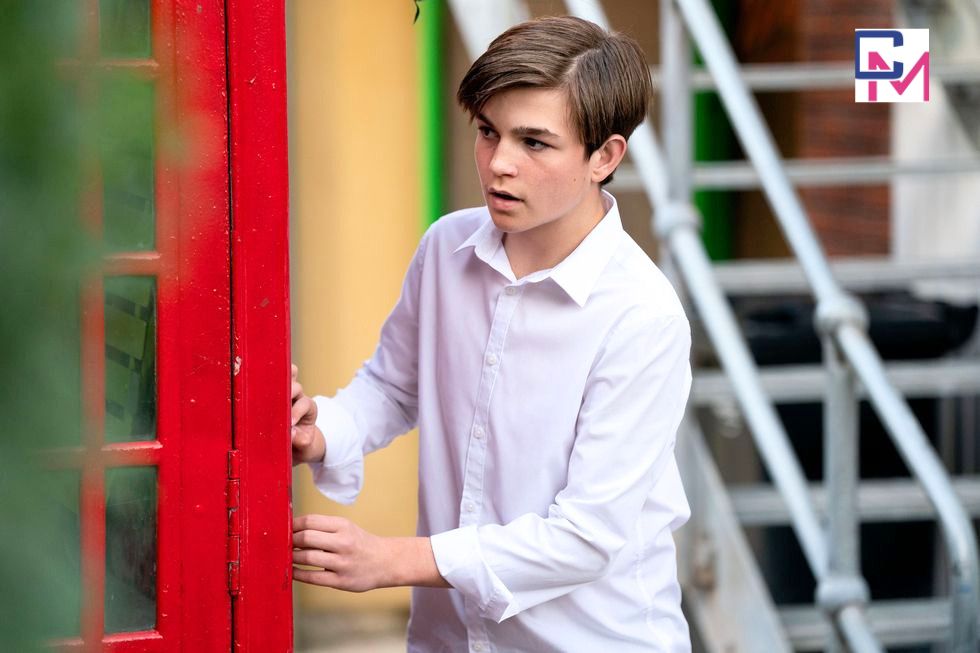
A television adaptation of We Were Liars premiered on Prime Video in June 2025. The first season contains eight episodes and follows Cadence as she returns to Beechwood after an accident that caused memory loss. Emily Alyn Lind plays Cadence in the series.
The adaptation preserves the novel’s central mystery, the private-island setting and the complicated relationships among the Liars. A television series, however, has more space to develop secondary characters and show events that the novel presents only through Cadence’s limited narration.
The book provides a more intimate experience of Cadence’s confusion because readers remain inside her thoughts. The adaptation can make the island, family conflict and relationships more visually immediate.
Readers who want to experience the twist in its original form should begin with the novel. Those who already know the ending may enjoy observing how the screen version plants clues and expands the Sinclair family’s world.
Who Should Read It?
We Were Liars is best suited to readers who enjoy psychological mysteries, unreliable narrators, family secrets and emotional young adult fiction.
The novel contains romance, but it is not primarily a light love story. Its atmosphere becomes increasingly unsettling, and its ending deals with death, grief, trauma and guilt.
Younger readers and families should be aware that the story includes a fatal fire, serious injuries, emotional distress, family prejudice and the deaths of teenagers and animals.
Readers who prefer fast-paced action may find the opening quiet. Much of the suspense comes from memory, atmosphere and uncomfortable conversations rather than constant external events.
Lessons from the Story
The Sinclair family spends years protecting its image. That silence allows jealousy, racism, manipulation and resentment to grow.
The novel also warns against confusing dramatic action with meaningful change. The Liars correctly identify serious problems within their family, but their plan is impulsive and dangerous. Their intentions do not protect them from the consequences.
Cadence’s journey shows that truth can be painful without being avoidable. She cannot change the fire or bring back the people she lost. She can only stop hiding from the memory and decide how to live with it.
Conclusion
We Were Liars is memorable because its ending is more than a clever surprise. The twist brings together every major part of the story: Cadence’s memory loss, the Sinclair family’s silence, the strange behaviour of the Liars and the destruction of Clairmont.
Johnny, Mirren and Gat were not ignoring Cadence’s letters or keeping an ordinary secret. They died in the fire the group planned together. Cadence survived, but trauma prevented her from accepting what happened.
Her return to Beechwood becomes a journey through grief. By remembering the fire, she finally understands why the island feels different and why the people she loves cannot leave with her.
The novel’s deeper tragedy comes from the fact that the Liars wanted to end their family’s obsession with possessions. They hoped destroying a house would free everyone from greed and competition. Instead, their plan destroyed their own futures.
Through its fragmented narration, fairy-tale symbolism and emotional mystery, We Were Liars examines how privilege can isolate people, how families use silence to preserve appearances and how grief reshapes memory.
Its final message is difficult but honest: healing does not come from forgetting the truth. It begins when the truth is finally faced.
Frequently Asked Questions
Is We Were Liars based on a true story?
No, We Were Liars is a fictional novel by E. Lockhart. Its private island, Sinclair family and tragic events were created for the story, although its themes of wealth, grief and family conflict feel realistic.
What happened at the end of We Were Liars?
Cadence remembers that she, Gat, Johnny and Mirren set fire to Clairmont to end the family’s obsession with money and possessions. The fire spread too quickly, killing the other three Liars while Cadence survived.
Were Gat, Johnny and Mirren really ghosts?
The novel leaves this partly open to interpretation. They may be actual ghosts, but they can also be understood as visions created by Cadence’s trauma, guilt and inability to accept their deaths.
Why did Cadence lose her memory?
Cadence’s memory loss was connected to the physical and emotional trauma of the fire. Her mind blocked the painful truth because remembering it meant accepting her responsibility and the deaths of her closest friends.
Is We Were Liars suitable for young readers?
The book is written for young adult readers, but it contains serious themes, including death, grief, racism, family manipulation and emotional trauma. Parents may wish to consider these subjects before recommending it to younger teenagers.
About the Author
Waqar Ashraf is the Founder and Editor of Closer Magazine. He publishes informative and engaging content covering lifestyle, entertainment, wellness, trending topics, and digital culture.
Through Closer Magazine, Waqar aims to provide accurate, reader-friendly, and valuable information for audiences worldwide.
📧 closermagazine0@gmail.com
🌐 CloserMagazine.co.uk