
Introduction
In the fast-moving world of Formula 1, where success depends on precision, timing, and relentless performance, few figures have shaped a team’s identity as strongly as Helmut Marko. Known for his sharp eye for talent and uncompromising standards, Marko has been one of the key forces behind Red Bull Racing’s rise to dominance.
While team principals often take the spotlight, Marko operates with a different kind of influence. As a senior advisor to Red Bull, he plays a central role in shaping driver decisions, long-term planning, and the overall competitive direction of the team. His approach is not always gentle, but it is undeniably effective.
This article explores how Helmut Marko’s strategy has helped build one of the most successful teams in modern Formula 1 and what lessons can be learned from his unique leadership style.
Who Is Helmut Marko?
Helmut Marko’s journey in motorsport began long before Red Bull Racing became a global powerhouse. Born in Austria in 1943, he initially pursued a career as a racing driver. His most notable achievement came in 1971 when he won the 24 Hours of Le Mans, one of the most prestigious endurance races in the world.
However, his driving career was cut short due to a serious eye injury sustained during a Formula 1 race. Rather than leaving the sport entirely, Marko shifted his focus to management and development.
Over time, he built a reputation as a sharp strategist and talent scout. His connection with Dietrich Mateschitz, the co-founder of Red Bull, eventually led to his long-standing role within the Red Bull Racing organization.
Helmut Marko’s Role at Red Bull Racing
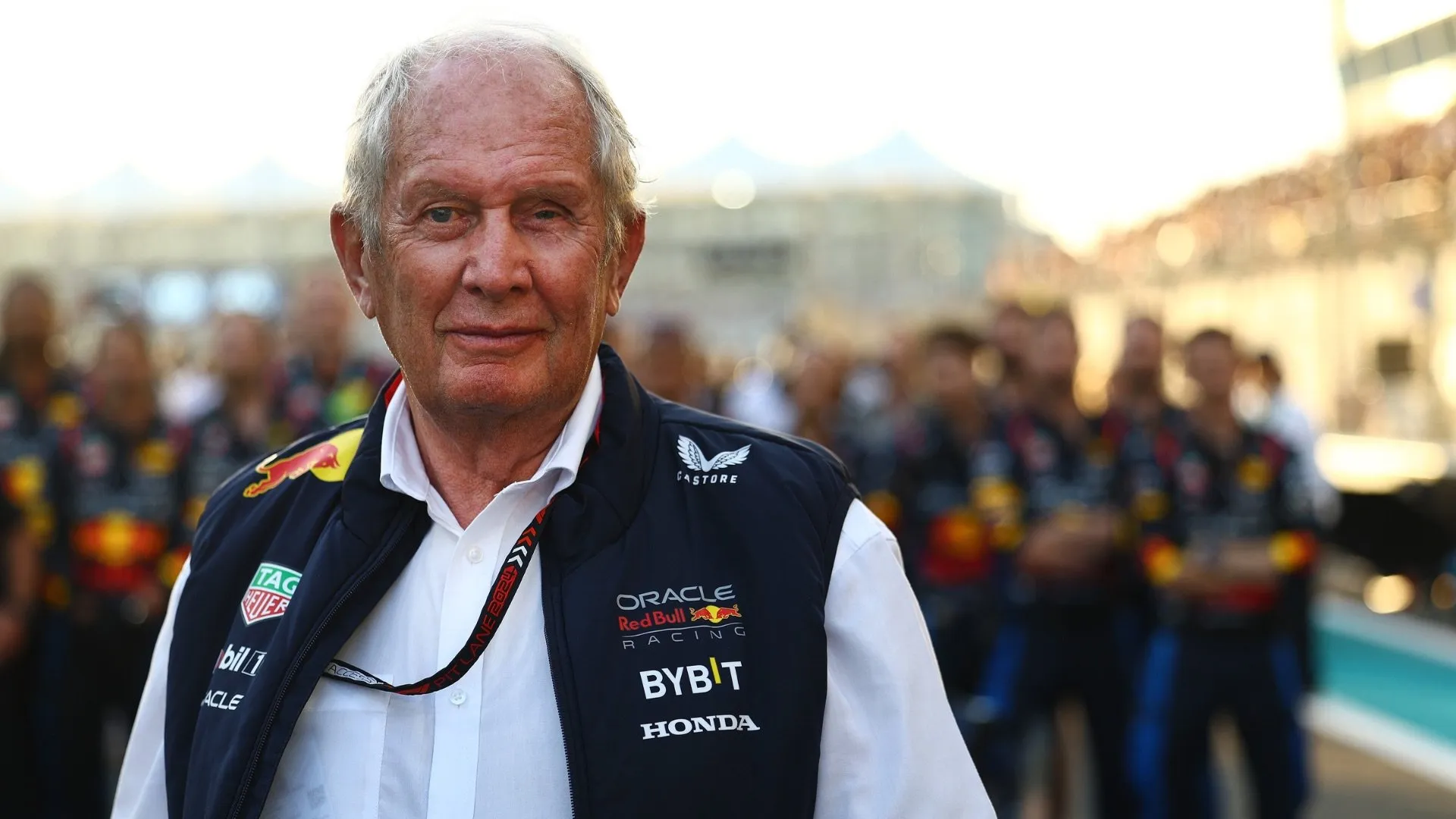
At Red Bull Racing, Helmut Marko serves as a senior advisor, but his influence goes far beyond a typical advisory role. He is deeply involved in driver selection, development programs, and performance evaluation.
Marko works closely with team leadership, including team principals and engineers, but his primary focus remains on drivers. He evaluates talent, monitors progress, and makes critical decisions about promotions or replacements.
This level of authority gives him a unique position within the team. While others focus on car performance or race strategy, Marko focuses on the human element, ensuring that the drivers meet the high standards required to win championships.
The Vision Behind Red Bull Racing’s Success
One of the defining aspects of Helmut Marko’s strategy is his commitment to long-term vision. Instead of relying solely on experienced drivers, he has consistently invested in young talent.
This approach allows Red Bull to develop drivers who align with the team’s philosophy from an early stage. It also creates a pipeline of future stars, reducing dependence on external recruitment.
Marko’s vision is built on three key ideas:
- Develop talent internally
- Maintain high performance standards
- Build a culture that prioritizes winning
This strategy has helped Red Bull remain competitive across different eras of Formula 1.
The Red Bull Junior Program
Perhaps the most significant part of Helmut Marko’s legacy is the Red Bull Junior Team. This program identifies and develops young drivers from around the world, giving them the resources and opportunities needed to reach Formula 1.
Under Marko’s leadership, the program has produced several world-class drivers, including Sebastian Vettel and Max Verstappen. Both went on to become world champions with Red Bull, proving the effectiveness of the system.
The program is known for being demanding. Drivers are expected to deliver results quickly, and underperformance can lead to removal from the program.
Note: The Red Bull Junior Program reflects Marko’s belief that talent must be proven through results, not just potential.
Talent Over Experience
One of Helmut Marko’s most distinctive strategies is his preference for young drivers over experienced ones. While many teams rely on established names, Marko often takes risks on emerging talent.
This approach has led to bold decisions, such as promoting Max Verstappen to Red Bull Racing at just 18 years old. The move was initially questioned but ultimately proved to be one of the most successful decisions in the team’s history.
By focusing on talent rather than reputation, Marko ensures that the team remains dynamic and forward-looking.
Ruthless Decision-Making
Helmut Marko is known for his direct and sometimes harsh decision-making style. Drivers who fail to meet expectations can be replaced quickly, often within a single season.
This approach creates a high-pressure environment, but it also ensures that only the best performers remain.
Critics argue that this style can be too aggressive, potentially damaging driver confidence. However, supporters believe it maintains the competitive edge that Red Bull is known for.
Note: Marko’s decisions may appear ruthless, but they are always aligned with performance and results.
Data-Driven Performance Focus
Modern Formula 1 relies heavily on data, and Helmut Marko fully embraces this reality. Driver performance is analyzed in detail, including lap times, consistency, and adaptability.
Decisions are rarely based on emotion. Instead, they are supported by measurable performance indicators.
This data-driven approach allows Red Bull to identify strengths and weaknesses quickly, making it easier to adjust strategies and improve results.
Building a Competitive Environment
Competition within Red Bull Racing is not limited to the track. Marko encourages internal competition between drivers, pushing them to perform at their highest level.
This environment creates constant pressure, but it also drives improvement. Drivers know that their position is never guaranteed, which motivates them to deliver consistent results.
The result is a team culture where excellence is expected, not optional.
Key Moments That Defined His Strategy
Several moments highlight Helmut Marko’s impact on Red Bull Racing. The promotion of Sebastian Vettel, who later won four consecutive world championships, demonstrated the success of the junior program.
Similarly, the decision to back Max Verstappen and build the team around him has led to a new era of dominance in Formula 1.
These decisions were not without risk, but they reflect Marko’s confidence in his strategy and his ability to identify exceptional talent.
Criticism and Controversies
Helmut Marko is no stranger to controversy. His public comments about drivers and performance have often attracted criticism from fans and media.
Some view his approach as too blunt, while others believe it lacks sensitivity. However, Marko has remained consistent in his communication style, prioritizing honesty over diplomacy.
Despite the criticism, his results speak for themselves. Red Bull’s success under his influence continues to reinforce his strategic approach.
Leadership Style and Personality
Marko’s leadership style is direct, disciplined, and results-oriented. He sets high expectations and expects them to be met without excuses.
This approach may not suit everyone, but it creates a clear standard within the team. Drivers and staff understand what is required and what is at stake.
His personality plays a significant role in shaping the culture of Red Bull Racing, where performance and accountability are central values.
Lessons from Helmut Marko’s Strategy
There are several valuable lessons to learn from Helmut Marko’s approach:
- Long-term vision is more important than short-term success
- Taking calculated risks can lead to significant rewards
- Strong systems are more effective than individual efforts
- High standards drive consistent performance
These principles apply not only to Formula 1 but to any competitive industry.
The Future of Red Bull Under Marko’s Influence
As Formula 1 continues to evolve, Helmut Marko’s role remains important. While new technologies and regulations will shape the sport, the core principles of his strategy are likely to remain relevant.
His focus on talent development, performance, and adaptability ensures that Red Bull is well-positioned for the future.
Even as leadership structures change over time, Marko’s influence will continue to be felt through the systems he has built.
Conclusion
Helmut Marko’s impact on Red Bull Racing goes far beyond his title. He is not just an advisor; he is a strategist, talent scout, and architect of one of Formula 1’s most successful teams.
His methods are not always conventional, and his style is not always gentle. But his results are undeniable.
By focusing on talent, maintaining high standards, and making bold decisions, Helmut Marko has created a system that delivers success consistently.
In a sport where every detail matters, his strategy proves one thing clearly:
Success is not accidental. It is built through vision, discipline, and the courage to make difficult decisions.
Who Is Jo McCubbin? A Clear Guide to His Story
FAQs
Who is Helmut Marko in Formula 1?
Helmut Marko is a senior advisor to Red Bull Racing and one of the most influential figures in the team’s success. He is mainly responsible for driver development and strategic decisions.
What does Helmut Marko do at Red Bull Racing?
He oversees the Red Bull Junior Program, evaluates driver performance, and plays a key role in selecting and promoting drivers within the team.
Why is Helmut Marko considered controversial?
Marko is known for his direct communication style and tough decisions, especially when it comes to replacing underperforming drivers, which often draws criticism.
How did Helmut Marko help Red Bull Racing succeed?
He built a strong talent pipeline through the junior program and made bold decisions on young drivers, which led to multiple championship wins for the team.
What is Helmut Marko’s leadership style?
His leadership style is strict, results-focused, and performance-driven, with a strong emphasis on discipline and accountability.
About the Author
Waqar Ashraf is the Founder and Editor of Closer Magazine. He publishes informative and engaging content covering lifestyle, entertainment, wellness, trending topics, and digital culture.
Through Closer Magazine, Waqar aims to provide accurate, reader-friendly, and valuable information for audiences worldwide.
📧 closermagazine0@gmail.com
🌐 CloserMagazine.co.uk