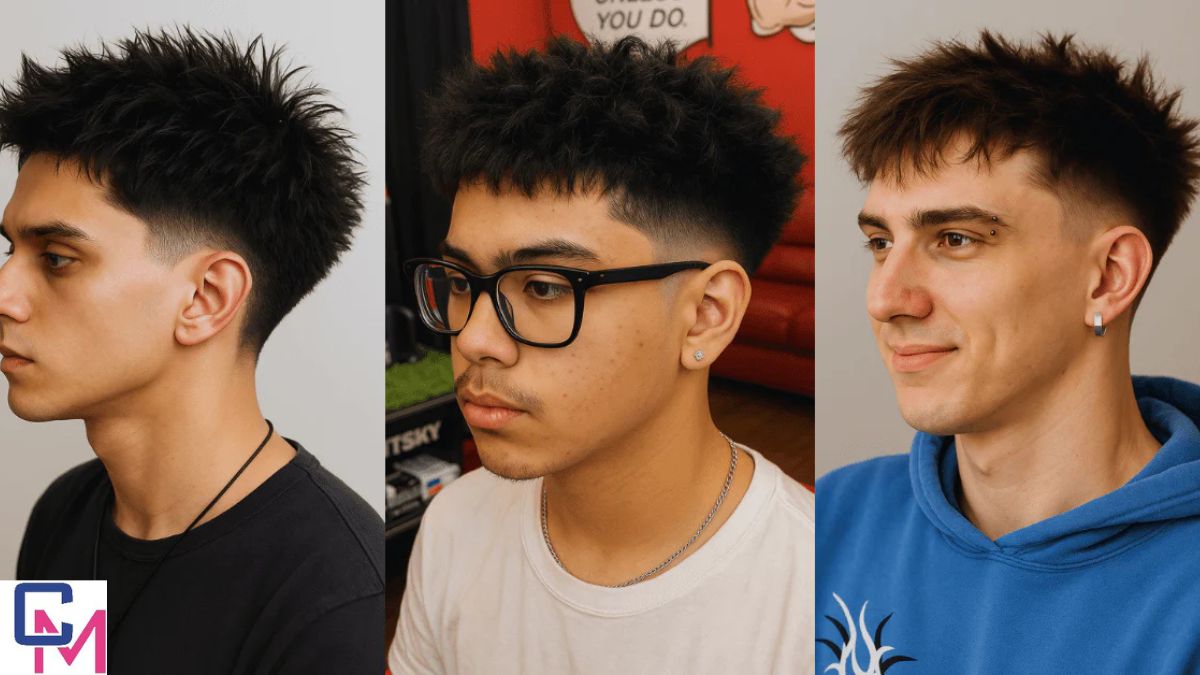

Why Buzz Cuts Stay So Popular
There is something quietly powerful about a buzz cut. It is simple, neat, and honest. No styling tricks, no layers to hide behind — just hair cropped close and clean. For many people, a buzz cut feels like a reset. It can mark a new job, a fresh start, or simply the decision to stop spending so much time in front of the mirror.
That simplicity does not mean every buzz cut looks the same. The difference between very short and slightly longer buzz cut lengths can completely change how your face looks, how your head shape appears, and even how confident you feel when you look in the mirror. Understanding those lengths is the key to choosing a style that really suits you, instead of leaving the barbershop wishing you had picked a different guard.
This guide walks through what those numbers on clippers actually mean, how different lengths look in real life, and how to match a buzz cut to your face shape, hair type, and lifestyle.
What Buzz Cut Lengths Actually Mean
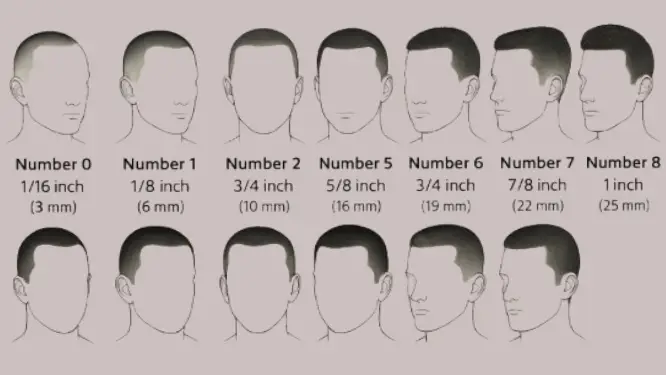
When people talk about buzz cut lengths, they are usually talking about the clipper guards used by barbers or at home. Each guard number corresponds to a specific length of hair left on the head. The smaller the number, the shorter the hair.
Most guards are measured in millimeters or fractions of an inch, and the difference between them is more noticeable than you might expect. A Number 1 and a Number 2 might only be a few millimeters apart, but the overall impression on your face can feel completely different.
Here is the basic idea:
- Lower numbers = closer shave, more scalp showing, sharper look.
- Higher numbers = more coverage, softer edges, more forgiving if you are unsure.
Once you understand how these numbers behave, it becomes much easier to choose the right length instead of just guessing.
The Most Common Buzz Cut Lengths
Number 0 – Almost Completely Shaved
A Number 0 usually means no guard attached. The clippers go directly against the scalp, leaving only the tiniest bit of stubble. It is very close to being fully shaved with a razor, but with a slightly rough texture when you touch it.
This length feels bold, clean, and very minimal. It can look striking on people with strong facial features, but it also exposes everything — head shape, bumps, scars, and hairline. If you are comfortable with that level of exposure, a Number 0 can be powerful and low maintenance. If you are nervous about your head shape, it might be too extreme for a first buzz cut.
Number 1 – Short, Sharp, and Edgy
A Number 1 guard leaves a little more hair than a zero, but it is still very short. Your scalp will still be visible, especially under bright light, but there is enough hair to add a bit of texture and shadow.
This length suits people who want a tough, sharp, military-style look without going all the way down to bare. It can be especially flattering when paired with a neat beard, because the contrast between facial hair and very short scalp hair creates a balanced frame around the face.
However, just like a zero, a Number 1 shows most of your head shape. If you have dents, scars, or very uneven areas, they will still be noticeable.
Number 2 – The Safe, Versatile Option
A Number 2 is often the most recommended starting point for those trying buzz cut lengths for the first time. It is short enough to feel crisp and low maintenance, but long enough to cover the scalp more fully.
At this length:
- The hair forms a soft, even layer.
- The scalp is less visible in normal lighting.
- Imperfections on the head are less obvious.
It works well on most hair types and face shapes. Many people find that a Number 2 gives them a clean look they can live with every day, even if they do not style it at all.
If you are worried about going too short, asking for a Number 2 all over is a simple and safe decision.
Number 3 – Soft But Still Very Low Maintenance
A Number 3 offers a little more fullness and softness. It still falls within typical buzz cut territory, but it no longer feels harsh or severe. The scalp barely shows, and the hair begins to follow the natural direction of growth, adding a bit of movement.
This length can be ideal if:
- You want a calm, relaxed look instead of an aggressive one.
- You are trying a buzz cut but do not want to shock friends, colleagues, or family.
- You want to keep some softness around the hairline and crown.
A Number 3 can also work nicely for people with fine hair who still want a buzz, because it leaves just enough density to avoid exposing thin patches too strongly.
Number 4 and Above – Fuller, Softer Buzz Cuts
Once you reach a Number 4 and higher, the haircut still counts as a buzz, but it starts to resemble a short crop or a crew cut depending on how it is shaped. The hair looks clearly present, the scalp is mostly hidden, and the overall style feels approachable and soft.
Longer buzz cut lengths like Number 4, 5, or 6 work well for people who:
- Want low maintenance but not an ultra-short look.
- Prefer a less dramatic change from their usual haircut.
- Have an office or professional environment where very short cuts feel too sharp.
These lengths are forgiving and easy to grow out. If you decide you miss slightly longer hair, the transition from a Number 4 or 5 back to your old style is smoother than from a zero or one.
Matching Buzz Cut Lengths to Your Face Shape
Choosing the right buzz cut lengths becomes much easier when you know your face shape. The goal is to balance your natural features rather than fighting them.
Round Face
A round face has softer angles and nearly equal width and height. Extremely short cuts like a zero or one can sometimes make a round face look even rounder.
For round faces, slightly longer lengths like a Number 2 or 3 usually work better. They create a bit of height and shape on the head, helping the face appear more balanced and less circular.
Square Face
A square face has a strong jawline and pronounced angles. This shape usually handles shorter buzz cuts very well. A Number 1 or 2 can highlight those features in a good way, giving a clean and confident look.
If you want to soften the intensity slightly, a Number 3 can keep the sharp feel while adding a touch of softness around the edges.
Oval Face
An oval face is often considered the most flexible for haircuts. It is slightly longer than it is wide, with a gentle curve at the jaw and forehead.
Almost any buzz cut length works with an oval face, from a zero to a four and beyond. Your choice can be based more on your personal style and comfort than on strict rules. If you want to experiment, this face shape gives you a lot of freedom.
Long or Rectangular Face
A long or rectangular face is taller than it is wide, with more length from forehead to chin. Extremely short cuts, especially a zero, can emphasize that length and make the head look even taller.
To soften that effect, consider Number 2 or higher. A little more hair on top keeps things in balance. Some people with longer faces also like to keep a bit of beard or stubble to visually “shorten” the chin area.
How Hair Type Affects Buzz Cut Lengths
Hair type changes how each length looks in real life. The same guard used on different people can give very different results.
Straight Hair
On straight hair, shorter lengths tend to look very sharp and flat. A Number 1 or 2 will lie close to the scalp and give a clean, almost polished look. At Number 3 or 4, straight hair begins to show more direction and can point out whorls or cowlicks more clearly.
Wavy Hair
Wavy hair at shorter buzz lengths often gives a slight, natural texture. A Number 2 or 3 can create a soft, almost velvet look. These lengths balance structure and movement nicely, especially on thicker hair.
Curly or Coily Hair
For curly or coily hair, buzz cut lengths behave differently. Even a Number 2 can look denser and fuller than it would on straight hair. A Number 1 or zero will be very close to the scalp but often still appear darker and thicker. Longer buzz cuts like Number 3 or 4 can show a hint of curl pattern while still staying easy to maintain.
Thin or Thinning Hair
If your hair is thinning, going slightly shorter can actually make things look better. A Number 2 or 3 can blend thinning areas with denser parts, creating a more even impression. Extremely long buzz cuts can sometimes make patchy areas stand out more, while extremely short cuts like a zero might highlight the scalp too strongly. A middle ground often works best.
Simple Maintenance for a Clean Buzz Cut
Buzz cuts are low maintenance, but they still need some care if you want them to look sharp rather than neglected.
- Regular trims: Shorter buzz cut lengths like zero, one, or two usually need touch-ups every one to two weeks to stay crisp. Longer buzz cuts can often go three to four weeks between trims.
- Scalp care: With less hair, your scalp is more exposed to sun and dryness. Using a gentle moisturizer or light oil can prevent flakiness and tightness.
- Sun protection: If your scalp shows, sunscreen becomes important. Even a thin layer helps avoid burning and peeling.
- Clean edges: Keeping the neckline and around the ears tidy makes a huge difference. You can visit a barber for quick clean-ups or learn to shape the edges at home with a small trimmer.
Common Mistakes When Choosing Buzz Cut Lengths
Even with a simple style, there are a few easy mistakes to avoid:
- Going too short too fast: Jumping straight to a zero without ever trying a longer guard can be shocking. Starting with a Number 2 or 3 gives you room to go shorter later if you want.
- Ignoring head shape: A buzz cut reveals the real shape of your head. If you know you have scars, bumps, or flat spots, consider slightly higher numbers that soften those areas.
- Copying someone else’s look exactly: A buzz cut that looks perfect on a celebrity might not look the same on you because of different face shapes, hairlines, or hair density. Use photos as inspiration, not a strict blueprint.
- Forgetting about hairline and crown: Receding hairlines or strong cowlicks become more obvious at certain lengths. Sometimes a barber will suggest blending or fading different guards to make these features less visible.
When to Ask a Barber for Advice
You do not have to figure out buzz cut lengths on your own. A good barber looks at your head shape, hair type, and face all at once and can suggest a length that makes sense.
It helps to:
- Be honest about your comfort level with very short hair.
- Mention any insecurities, like a scar, thinning spot, or uneven hairline.
- Show one or two reference photos, not ten. This gives a clear direction without overwhelming the barber.
Many barbers will also blend different guards for a smoother look — for example, Number 2 on top, Number 1 on the sides, and a clean taper on the neck. Even small choices like these can make a simple buzz cut look more refined and professional.
A Quick Recap of Buzz Cut Choices
Remember These Points
- Shorter buzz cut lengths (zero, one) are bold, sharp, and very revealing.
- Middle lengths (two, three) are safe, versatile, and flattering for most people.
- Longer buzz cuts (four and above) are soft, full, and gentle while still easy to manage.
- Face shape, hair type, and head shape matter just as much as the number on the clipper.
Finding the Buzz Cut That Feels Like You
In the end, the best buzz cut is not the one that looks best in photos; it is the one that feels right when you see yourself every morning. Understanding buzz cut lengths gives you control. Instead of sitting in the chair and saying “Just shave it,” you can ask for a specific guard, describe the look you want, and make small adjustments over time.
Maybe you start with a Number 3 to ease into the change. Maybe you fall in love with the clean honesty of a Number 1. Maybe you shift between lengths depending on the season or what is happening in your life.
Whatever you choose, a well-cut buzz carries a quiet confidence. It says you are comfortable enough to keep things simple, and that you trust your own features to stand on their own — no complicated styling required.
How Lil RT Is Carving Out His Own Space in the Music Scene
FAQs
1. What do buzz cut lengths mean?
Buzz cut lengths refer to the clipper guard numbers used during a haircut. Each number represents how much hair is left on the head, with lower numbers being shorter and more exposed.
2. Which buzz cut length is best for beginners?
A Number 2 or Number 3 is usually the safest choice for first-timers. These lengths stay low maintenance but still keep enough hair to soften your features.
3. Does my face shape affect the buzz cut length I should choose?
Yes. Round faces often look better with slightly longer lengths, while square or oval faces can handle shorter cuts like a Number 1 or 2 more easily.
4. How often should I maintain a buzz cut?
Shorter lengths usually need trimming every 1–2 weeks. Longer buzz cuts like a Number 4 or 5 can last up to 3–4 weeks before needing a refresh.
5. Can a buzz cut work with thin or thinning hair?
Absolutely. Slightly shorter lengths, especially around a Number 2 or 3, can help blend thinning areas and create a more even look.


