

Set among mature trees, landscaped gardens and open paddocks near Burford, Cotswold Wildlife Park offers a noticeably different experience from a conventional city zoo. Animals are displayed within the grounds of a historic country estate, while carefully maintained gardens bring colour and character to almost every part of the visit.
The park is suitable for families, couples, photographers, gardeners and anyone who enjoys seeing wildlife in spacious surroundings. Visitors can encounter rhinos, giraffes, lions, lemurs, penguins, reptiles and many other species while also exploring tropical planting, Victorian architecture and peaceful picnic areas.
A successful visit requires some planning. The grounds are large, popular exhibits can become busy, and certain attractions operate seasonally. This complete guide explains what to see, how much time to allow, when to arrive and how to make the most of a day at Cotswold Wildlife Park in 2026.
| Label | Information |
|---|---|
| Name | Cotswold Wildlife Park and Gardens |
| Attraction Type | Wildlife park and landscaped gardens |
| Location | Near Burford, Oxfordshire, England |
| Opened | 1970 |
| Setting | Historic country estate |
| Size | Around 160 acres |
| Best Known For | Rhinos, giraffes, lemurs and gardens |
| Family Friendly | Yes, suitable for all ages |
| Visit Duration | Around 4 to 6 hours |
| Best Time to Visit | Spring to early autumn |
| Main Facilities | Cafés, picnic areas, toilets and gift shop |
| Special Features | Animal talks, play areas and seasonal railway |
| Recommended Category | Travel |
What Is Cotswold Wildlife Park?
Cotswold Wildlife Park and Gardens is an independent wildlife attraction located within the grounds of Bradwell Grove, close to Burford in Oxfordshire. It was opened to the public in 1970 by John Heyworth, who wanted to preserve the family estate while sharing his interest in animals and nature.
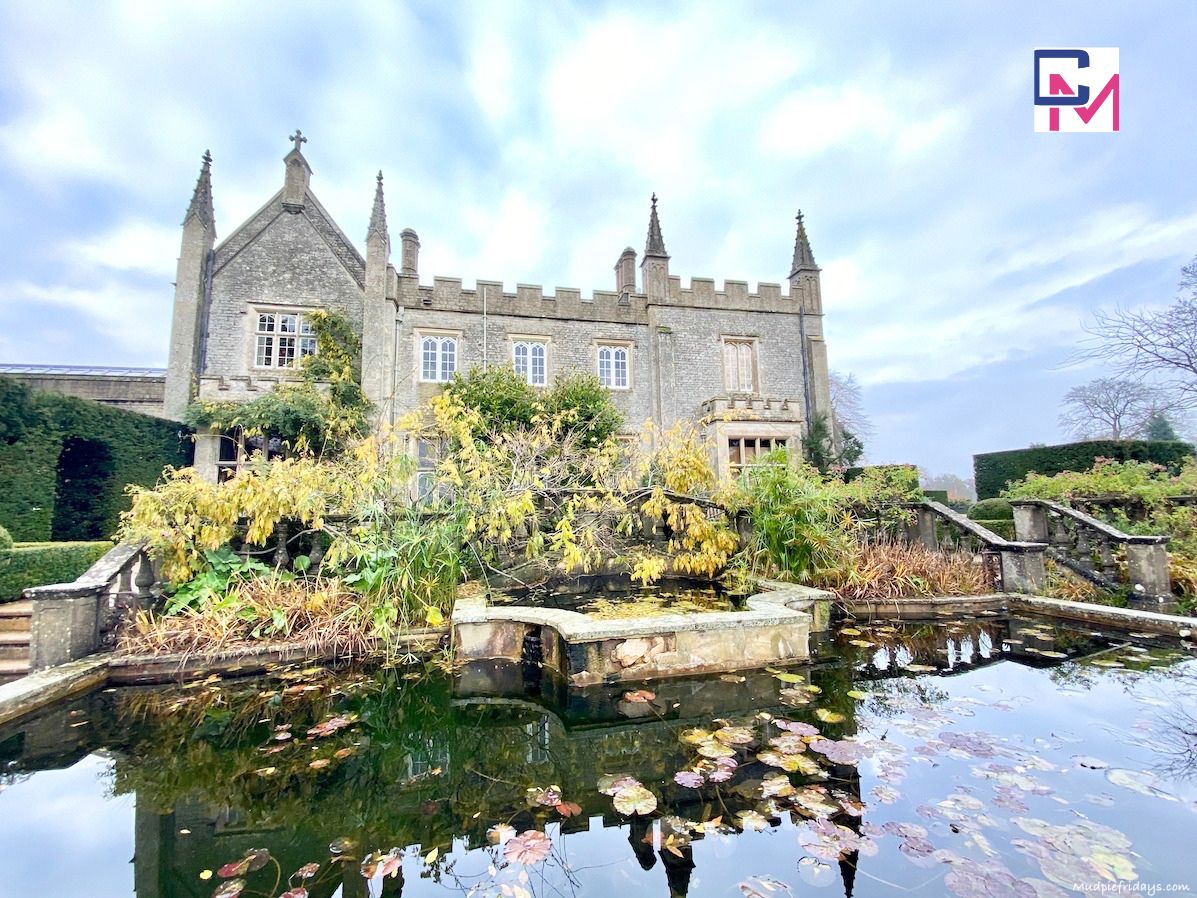
The historic manor house remains at the centre of the park. Wildlife enclosures, lawns, gardens and visitor paths spread around it, creating a setting that feels more like a country estate than a tightly arranged zoo.
The park covers approximately 160 acres, so visitors should expect a considerable amount of walking. Its size allows many animals to be seen against open, green backgrounds rather than in small urban spaces.
One of the attraction’s strongest qualities is the combination of zoology and horticulture. Visitors may come for the animals, but the gardens are an important part of the experience. Seasonal flowers, unusual trees, tropical plants and carefully designed borders make the grounds appealing throughout much of the year.
Where Is the Park?
Cotswold Wildlife Park is situated at Bradwell Grove, near the historic town of Burford. Its rural location is part of its charm, although it also means that travelling by car is generally the simplest option.
Road signs guide drivers toward the entrance as they approach the area. Parking is available at the site and is normally included for visitors, but the condition and availability of some parking areas can be affected by prolonged wet weather.
Public transport requires more planning. Burford can be reached by local bus services from certain surrounding towns, but there is no railway station immediately beside the park. Visitors relying on public transport may need to combine a train, bus and taxi journey.
Because rural services can change, it is sensible to check the full outward and return journey before travelling. This is especially important on Sundays, bank holidays and during winter, when services may be less frequent.
Opening Times in 2026
During British Summer Time, the park is generally open from 10:00 am until 6:00 pm, with final admission at 4:00 pm. In winter, it typically closes at 4:00 pm or dusk, with last admission at 3:00 pm.
The park is closed on Christmas Day. Special winter arrangements may also apply during January and early February to allow essential maintenance work to take place.
Individual areas can close earlier than the main park. The Madagascar walkthrough, for example, closes before the general closing time so the animals can settle for the evening.
Weather may occasionally affect access, parking or individual attractions. Checking the latest visitor information before setting out is therefore worthwhile, particularly after persistent rain, snow or strong winds.
Ticket Prices
From April 2026, the standard gate price is listed as £19.50 for adults, while the discounted online e-ticket price is £17.50.
Children aged three to sixteen and visitors aged 65 or over are listed at £14.00 at the gate or £12.50 online. Children aged two and under can enter free of charge.
These prices show why booking online is usually the better choice. It reduces the admission cost and may also save time at the entrance. E-tickets are generally valid for the selected visit date or according to the conditions shown during booking.
Children must remain accompanied by an adult. Visitors should also read the current ticket conditions before purchasing, particularly when booking for a group or planning to use a voucher.
How Long Do You Need?
A minimum of four hours is advisable, but most first-time visitors will benefit from allowing a full day. The park is extensive, and walking from one area to another takes longer than the map may initially suggest.
Families with young children may need additional time for rest stops, meals and the adventure playground. Wildlife photographers may also prefer a slower schedule because animals are not always active on demand.
Arriving at opening time gives visitors the best chance to explore popular sections before the busiest period. It also creates enough flexibility to return to an enclosure later if an animal was resting or out of view during the first visit.
Trying to see everything in two or three hours can make the day feel rushed. A relaxed pace is better suited to the park’s spacious country setting.
Animals to See
The park is home to an impressively varied collection of mammals, birds, reptiles and amphibians. Its large herbivores are among the most memorable animals.
White rhinos are a major highlight. Their broad paddocks allow visitors to appreciate their scale, behaviour and surprisingly calm movement. The park has a notable history of successfully breeding rhinos, making this area important from both a visitor and conservation perspective.
Nearby, giraffes provide another unforgettable sight. Depending on the animals’ location and current access arrangements, visitors may be able to see them from ground level or an elevated viewing area.
Other African species may include zebras and a range of antelope. Seeing several species within the same broad landscape helps create a more natural visual experience than viewing each animal in isolation.
Big-cat enthusiasts should look out for the park’s Asiatic lions. These endangered cats are generally most active during cooler parts of the day, although their behaviour always depends on weather, feeding routines and individual choice.
The park also holds smaller mammals that can be easy to overlook. Wolverines, red pandas, meerkats, otters and other species often become unexpected favourites because of their distinctive movement and personalities.
Madagascar Walkthrough
The Madagascar walkthrough is one of the park’s most popular experiences. Visitors enter an area where lemurs may move freely around their environment rather than being viewed only through a conventional barrier.
The experience can create excellent viewing opportunities, but visitors must follow staff instructions. Lemurs should never be touched, chased or offered food. Keeping a respectful distance protects both the animals and the public.
Pushchairs and prams are not permitted within the walkthrough, so families should plan accordingly. Dogs are also excluded because the area contains free-ranging animals.
The exhibit closes earlier than the rest of the park. Anyone especially interested in lemurs should visit it during the first half of the day rather than leaving it until closing time.
Penguins and Birds
Humboldt penguins are another much-loved feature of Cotswold Wildlife Park. Their lively movements, swimming behaviour and social interactions make them entertaining for visitors of every age.
Keeper talks and feeding sessions can provide useful information about their diet, natural habitat and conservation challenges. These sessions are popular, so arriving a little early can help secure a clear viewing position.
The bird collection extends far beyond penguins. Depending on current exhibits, visitors may encounter flamingos, owls, cranes, storks, waterfowl and colourful tropical species.
Bird displays can be particularly rewarding in the morning, when many species are active and the park is still relatively quiet.
Reptiles and Tropical Species
The reptile collection is one of the most substantial in the United Kingdom. The Reptile House contains snakes, lizards and other cold-blooded species, including animals that are rarely encountered in everyday life.
A green anaconda is among the collection’s most imposing residents. Its size can be difficult to appreciate until it is seen at close range, even when the animal is resting quietly.
The tropical areas provide a useful indoor break during cold or wet weather. Warm temperatures, dense planting and unusual species create a strong contrast with the open lawns and paddocks outside.
Indoor animal houses may have narrower pathways and can become crowded during rain. Visiting them early or later in the afternoon may provide a calmer experience.
The Gardens
The words “and Gardens” in the attraction’s full name are significant. This is not simply a wildlife park with a few decorative flower beds. Horticulture is woven throughout the estate.
The Walled Garden is one of the most attractive areas. Formal borders, seasonal flowers and carefully selected plants surround animal exhibits, producing unusual views in which wildlife and garden design appear together.
Around the manor house, visitors can see mature trees and traditional estate planting. Tropical and subtropical species add drama during warmer months, while autumn brings rich colour to the park’s woodland areas.
Garden lovers may want to visit more than once during the year. Spring bulbs, summer borders and autumn foliage create very different experiences.
Daily Activities
Animal feeds and keeper talks can add structure to the day. They allow visitors to learn how animals are cared for, what they eat and what threats their wild populations face.
Activities vary by season, staffing and animal needs. Penguin and lemur sessions are among the best-known, but the exact programme should be checked on arrival.
The park also operates a narrow-gauge railway from April to October, subject to weather. It usually runs between midday and 4:00 pm and travels around much of the site.
The train costs extra. In 2026, the listed fare is £2 for adults and £1 for children, while children under three ride free. It can be an enjoyable way to rest tired legs, although it should be viewed as an attraction rather than a complete replacement for walking.
Visiting with Children
Families are one of the park’s main audiences. Wide outdoor spaces give children room to explore, while the variety of animals helps maintain their interest throughout the day.
The adventure playground is a major attraction in its own right. The Skymaze includes elevated treehouses, jungle bridges, slides and climbing features. A separate area for smaller children provides more age-appropriate equipment.
Parents should set clear meeting rules for older children and supervise younger ones closely. The park is large, and popular areas can become busy during school holidays.
Bringing spare clothing for young children can also be useful. Grass, mud, playgrounds and unpredictable British weather can quickly turn a clean outfit into something less presentable.
Food and Picnics
Visitors can purchase meals, snacks and drinks at the park’s food outlets. The main restaurant offers a place to sit indoors, while seasonal kiosks may provide quicker options during busy periods.
Opening times and menus can vary, so visitors with specific dietary requirements should check current information. Busy lunch periods may involve queues, especially on sunny weekends and during school holidays.
Bringing a picnic is a practical alternative. Picnic areas allow families to control costs and cater for individual preferences. A combination of packed food and purchased drinks can work well for a full-day visit.
Barbecues are not permitted. Visitors should also dispose of rubbish carefully, as litter can be dangerous to animals and damaging to the gardens.
Accessibility
Much of the park offers straightforward wheelchair and pushchair access. Wheelchairs are permitted on the train and inside the restaurant and gift shop, while ramps provide access to several important viewing areas.
Accessible toilets are positioned around the grounds. Wheelchair hire may also be available, although arranging this in advance is sensible because numbers can be limited.
Some routes may feel more demanding because of distance rather than steepness. Visitors with reduced mobility should use the map to plan a manageable route and include regular breaks.
Pushchairs are not permitted in certain attractions, including the Madagascar walkthrough and the train. Families should be prepared to park them in the designated area where required.
Can You Bring a Dog?
One unusual feature of Cotswold Wildlife Park is its dog-friendly policy. Dogs may enter the park when kept on a lead and under responsible adult control.
However, dogs cannot enter indoor animal houses, the restaurant, gift shop, Children’s Farmyard or areas containing free-ranging animals. Restricted spaces include locations such as Madagascar, the Reptile House and other enclosed walkthroughs.
Owners must clean up after their pets and ensure they do not disturb animals or other visitors. Water stations may be available at several points, but bringing a portable bowl is still a sensible precaution.
No pets other than dogs are normally permitted. Rules can change, so dog owners should confirm the latest policy before travelling.
Photography Tips
The park’s combination of animals, gardens and historic architecture offers excellent photographic opportunities. A standard smartphone is sufficient for family memories, while a camera with a zoom lens is useful for animals positioned farther across a paddock.
Morning and late-afternoon light tends to be softer than strong midday sun. Cooler periods can also coincide with increased animal activity.
Visitors should avoid flash photography inside animal houses unless signs clearly permit it. Flash can disturb animals and create reflections on glass.
Patience matters more than expensive equipment. Waiting quietly near an enclosure often produces better results than moving constantly or attempting to attract an animal’s attention.
Best Time to Visit
Late spring and early summer are excellent for gardens, longer opening hours and mild weather. Summer offers the greatest amount of daylight, although school holidays can be busy.
Early autumn is another attractive period. The weather may remain comfortable, crowds can be lighter, and changing leaves add colour to the estate.
Winter visits have a quieter character. Some animals may be easier to see in cooler conditions, but shorter opening hours leave less time for exploration. Certain seasonal activities may not operate.
Weekdays during term time generally offer the calmest experience. Weekends, bank holidays and sunny school-holiday dates are likely to attract larger numbers.
What to Bring
Comfortable footwear is essential because a complete visit involves several hours of walking. Weather-resistant shoes are particularly useful after rain.
A light waterproof jacket is sensible even when the forecast appears favourable. The park has indoor spaces, but much of the experience takes place outdoors.
Sun protection, reusable water bottles and a portable phone charger can also be useful. Families may wish to carry snacks, wipes and spare clothing.
A photograph or digital copy of the park map can help visitors plan their route. It is easier to enjoy the day when everyone knows where the next animal, toilet or food stop is located.
Mistakes to Avoid
The most common mistake is arriving too late. Entering shortly before last admission leaves insufficient time to appreciate a park of this size.
Another mistake is following the map in a rigid order. Animals may be asleep, indoors or temporarily out of view. It is often better to move on and return later.
Visitors should not assume that every advertised activity operates every day. Weather, maintenance and animal welfare can affect schedules.
Finally, avoid trying to complete the entire visit without breaks. Sitting beside a garden, paddock or picnic area is part of the experience rather than wasted time.
Nearby Places
Burford is the obvious addition to a wildlife park visit. Its historic high street, traditional buildings, cafés and shops make it one of the best-known towns in the Cotswolds.
Visitors staying overnight can also explore villages such as Bibury, Bourton-on-the-Water and Stow-on-the-Wold. However, combining too many locations into one day can make the trip feel hurried.
A better approach is to dedicate most of one day to the park and use a separate morning or afternoon for nearby towns. This allows enough time to appreciate both the animals and the wider Cotswold landscape.
Is It Worth Visiting in 2026?
For visitors who enjoy wildlife, gardens and relaxed outdoor attractions, Cotswold Wildlife Park is worth visiting in 2026. It offers enough variety to fill a full day without relying on rides, performances or constant entertainment.
Its greatest strength is atmosphere. Seeing rhinos beyond landscaped lawns, walking among lemurs and discovering reptiles inside warm tropical buildings creates a memorable mix of experiences.
The park is especially suitable for families because different generations can enjoy it in different ways. Children may focus on animals and playgrounds, while adults appreciate the gardens, historic estate and conservation work.
Ticket prices represent better value when the full day is used well. Arriving early, booking online and planning a sensible route can make a noticeable difference.
Conclusion
Cotswold Wildlife Park combines a broad animal collection with gardens, open landscapes and the character of a historic country estate. Its rhinos, giraffes, lemurs, penguins, reptiles and big cats provide the main attractions, but the peaceful grounds are equally important to the overall experience.
For the best visit, book tickets online, arrive close to opening time and allow an entire day. Wear comfortable shoes, check the activity schedule and be prepared to adjust your route according to weather and animal behaviour.
Rather than rushing from one enclosure to the next, take time to enjoy the gardens and return to favourite animals later in the day. With thoughtful planning, Cotswold Wildlife Park can provide one of the most enjoyable family wildlife experiences in the Cotswolds.
FAQs
1. How long should I spend at Cotswold Wildlife Park?
Most visitors spend between 4 and 6 hours exploring the park. If you want to enjoy the gardens, animal talks, playgrounds, and train ride, it’s best to set aside a full day.
2. Can I buy Cotswold Wildlife Park tickets online?
Yes. Online booking is recommended because it often offers discounted prices and helps you avoid queues at the entrance during busy periods.
3. Is Cotswold Wildlife Park suitable for young children?
Absolutely. The park is family-friendly and features large play areas, a miniature railway, wide walking paths, and a diverse collection of animals that children of all ages can enjoy.
4. Are dogs allowed inside Cotswold Wildlife Park?
Yes, well-behaved dogs on leads are welcome in many outdoor areas. However, they are not permitted in indoor animal houses, certain walkthrough exhibits, or children’s play areas.
5. What is the best time to visit Cotswold Wildlife Park?
Spring and early autumn are ideal for comfortable weather and fewer crowds. Arriving early in the morning on a weekday also gives you a quieter and more relaxed experience.
About the Author
Waqar Ashraf is the Founder and Editor of Closer Magazine. He publishes informative and engaging content covering lifestyle, entertainment, wellness, trending topics, and digital culture.
Through Closer Magazine, Waqar aims to provide accurate, reader-friendly, and valuable information for audiences worldwide.
📧 closermagazine0@gmail.com
🌐 CloserMagazine.co.uk