
Introduction
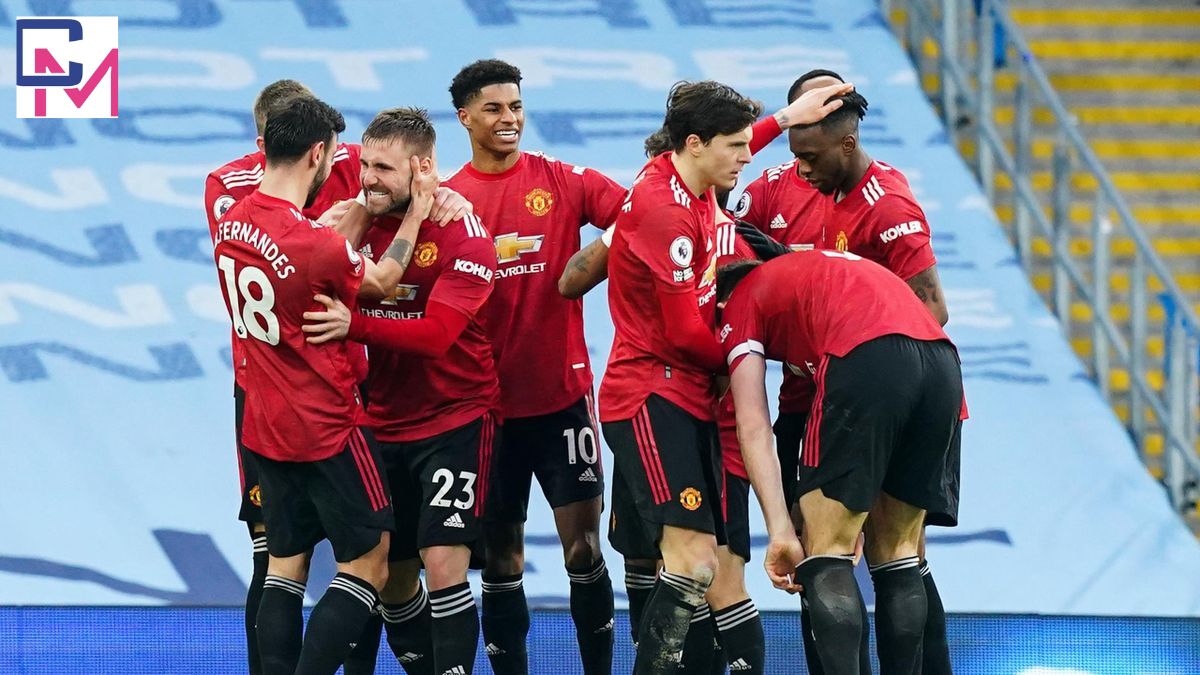
Manchester United is more than a football club. It is a name connected with passion, loyalty, tragedy, glory, and unforgettable football moments. From its humble beginning as Newton Heath to becoming one of the most famous clubs in the world, Manchester United has built a history that continues to inspire millions of fans.
The club is known for its attacking spirit, legendary players, dramatic comebacks, and strong connection with supporters. Whether someone follows football every week or only knows the biggest names in the game, Manchester United stands as one of the most recognizable symbols in world football.
The Origins of Manchester United
Manchester United was founded in 1878 under the name Newton Heath LYR Football Club. The team was originally formed by workers from the Lancashire and Yorkshire Railway depot. In those early years, the club was far from the global giant it is today. It faced financial problems, difficult seasons, and uncertainty about its future.
In 1902, the club changed its name to Manchester United. This was a turning point. The new identity helped shape a fresh direction, and the club slowly began to grow in confidence. By 1908, Manchester United won its first league title, followed by its first FA Cup in 1909. These early achievements gave supporters a glimpse of what the club could become.
Old Trafford
Old Trafford is one of the most famous football stadiums in the world. Known as “The Theatre of Dreams,” it has been Manchester United’s home since 1910. The stadium has witnessed historic victories, emotional defeats, legendary performances, and unforgettable nights.
For supporters, Old Trafford is not just a stadium. It is part of the club’s soul. Generations of fans have walked through its gates, watched their heroes play, and felt the unique atmosphere that surrounds Manchester United on matchday.
Over the years, Old Trafford has become a symbol of tradition and ambition. Its size, history, and energy make it one of the most respected football grounds in Europe.
The Busby Era
One of the most important chapters in Manchester United history began when Sir Matt Busby became manager in 1945. Busby believed in attacking football, youth development, and giving young players a chance to shine. His vision helped transform the club.
Under Busby, Manchester United became known for exciting football and fearless young talent. The team won league titles in the 1950s and became one of the most admired sides in England. The group of young players he developed became known as the Busby Babes.
This era gave Manchester United a clear identity: play with courage, trust youth, and entertain the crowd. That philosophy still remains part of the club’s culture.
The Munich Air Disaster
On 6 February 1958, Manchester United suffered one of the darkest days in football history. The Munich Air Disaster took the lives of players, staff, journalists, and crew members after the team’s plane crashed while returning from a European Cup match.
The tragedy deeply affected the club and the football world. Many believed it would take years for Manchester United to recover. But the club showed extraordinary strength. Sir Matt Busby survived and later rebuilt the team with courage and determination.
The memory of Munich remains central to Manchester United’s identity. It represents loss, bravery, and the spirit of never giving up.
European Glory
In 1968, Manchester United became the first English club to win the European Cup. The victory was especially emotional because it came ten years after Munich. Led by players such as Bobby Charlton, George Best, and Denis Law, the club defeated Benfica at Wembley.
That night was more than a trophy win. It was a moment of healing and pride. It showed how Manchester United had risen from tragedy to reach the top of European football.
European success became a major part of the club’s reputation. Later Champions League victories, especially in 1999 and 2008, added more golden chapters to United’s story.
The Sir Alex Ferguson Era
When Sir Alex Ferguson arrived in 1986, Manchester United was a big club searching for direction. His early years were difficult, but his patience, discipline, and long-term vision changed everything.
The 1990 FA Cup victory helped start a new era. Soon after, Manchester United became the dominant force in English football. In 1993, the club won the first Premier League title in its history, ending a long wait for league success.
Ferguson built great teams across different generations. He trusted youth, signed smart players, demanded high standards, and created a winning mentality. Under him, Manchester United won 13 Premier League titles, making the club the most successful team of the Premier League era.
The greatest moment came in 1999 when Manchester United won the historic Treble: the Premier League, FA Cup, and UEFA Champions League. The Champions League final against Bayern Munich remains one of football’s most dramatic comebacks.
Manchester United Legends
Manchester United has been home to some of football’s greatest names. Sir Bobby Charlton represented class, loyalty, and excellence. George Best brought magic, skill, and style. Denis Law became a hero because of his goals and fearless attitude.
In later years, players like Eric Cantona, Ryan Giggs, Paul Scholes, Roy Keane, David Beckham, Wayne Rooney, Cristiano Ronaldo, and Rio Ferdinand helped write new chapters of success.
These players were not only talented. They shaped the character of the club. They gave fans moments that are still discussed today, from last-minute goals to title-winning performances.
Major Trophies
Manchester United has one of the richest trophy cabinets in football. The club has won 20 English league titles, including a record 13 Premier League titles. It has also won multiple FA Cups, League Cups, Community Shields, and major European trophies.
In Europe, Manchester United has won the European Cup and Champions League three times. The club has also lifted the UEFA Europa League, UEFA Super Cup, FIFA Club World Cup, Intercontinental Cup, and European Cup Winners’ Cup.
These achievements show the club’s ability to succeed across different eras, managers, and generations.
Playing Style
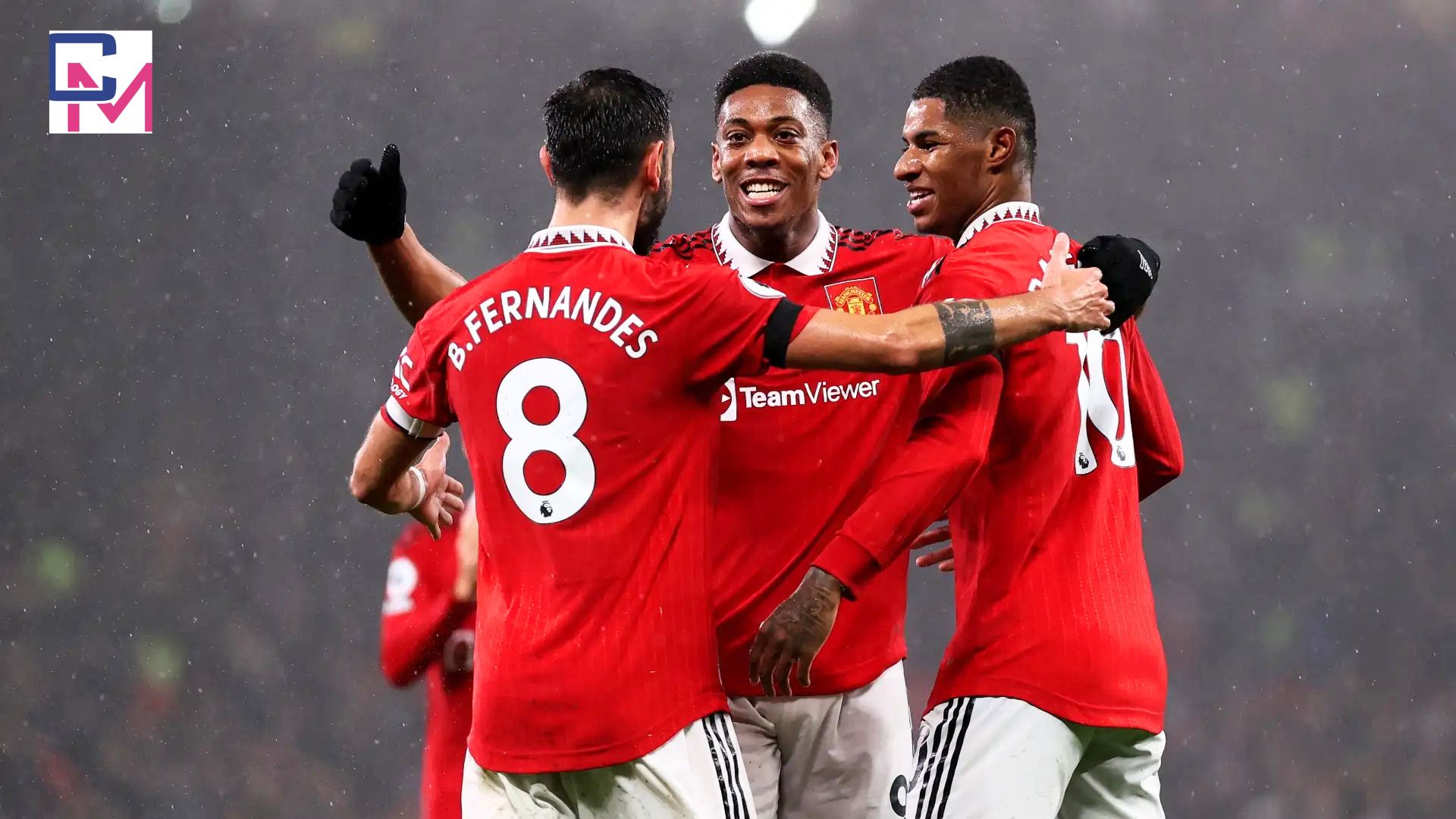
Manchester United has long been associated with attacking football. Supporters expect energy, pace, creativity, and bravery. The club’s best teams were often built around wide players, quick transitions, strong midfield leaders, and forwards who could decide big matches.
From the Busby Babes to Ferguson’s great sides, the idea has always been clear: Manchester United should play with confidence and ambition. Even during difficult seasons, fans continue to value football that is bold and entertaining.
Famous Rivalries
Manchester United’s rivalry with Liverpool is one of the biggest in English football. Both clubs have huge histories, passionate fan bases, and a long battle for domestic and European success.
The Manchester Derby against Manchester City has also grown into one of the biggest fixtures in world football. It carries local pride and modern football intensity.
United’s rivalry with Arsenal became especially fierce during the late 1990s and early 2000s, when both clubs fought for Premier League titles. Matches between those teams were often emotional, physical, and unforgettable.
The Academy
Manchester United’s academy is one of the club’s proudest traditions. The club has always valued young talent. From the Busby Babes to the famous Class of 92, youth development has shaped United’s identity.
The Class of 92 included players such as Ryan Giggs, Paul Scholes, David Beckham, Gary Neville, Phil Neville, and Nicky Butt. They became the backbone of one of the club’s most successful periods.
This tradition continues to matter. Supporters love seeing academy players reach the first team because it connects the present with the club’s past.
Global Fan Base
Manchester United is one of the most supported football clubs in the world. Its fan base stretches across Europe, Asia, Africa, the Americas, and beyond. The club’s history, star players, success, and emotional story have helped build a global following.
For many fans, Manchester United is not just a team they watch. It is part of their identity. The red shirt, the badge, Old Trafford, and famous chants create a powerful emotional connection.
The club’s global popularity has also made it a major commercial force in football.
Modern Era
Since Sir Alex Ferguson retired in 2013, Manchester United has faced a challenging period. The club has changed managers, rebuilt squads, and tried to return to consistent title-winning form.
There have still been important trophy wins and memorable moments, but the modern era has also shown how difficult it is to maintain success in today’s competitive football world. Rivals have improved, the Premier League has become stronger, and expectations remain high.
Even so, Manchester United continues to have the resources, fan support, history, and ambition to fight for major trophies again.
Why Manchester United Still Matters
Manchester United remains special because its history is full of emotion. It is a club that has known success, heartbreak, recovery, and reinvention. The story of Manchester United is not only about trophies. It is about people, belief, and identity.
The club has produced heroes, survived tragedy, created unforgettable teams, and inspired fans across generations. That is why Manchester United continues to attract attention even during difficult periods.
Conclusion
Manchester United has one of the richest histories in football. From Newton Heath to Old Trafford, from the Busby Babes to the Ferguson dynasty, from Munich to European glory, the club’s journey is filled with powerful moments.
Its story is built on courage, ambition, attacking football, and loyal support. While the modern era brings challenges, Manchester United’s legacy remains strong. The club’s past proves that it has always found a way to rise again, and that is why its future will always matter to football fans around the world.
requently Asked Questions (FAQs)
1. When was Manchester United founded?
Manchester United was founded in 1878 as Newton Heath L&YR Football Club. The club officially became Manchester United in 1902 after a change in ownership and financial restructuring.
2. Why is Old Trafford called the Theatre of Dreams?
Old Trafford earned the nickname “The Theatre of Dreams” because of its rich history, legendary matches, and unforgettable moments. The phrase was famously used by Sir Bobby Charlton to describe the iconic stadium.
3. Who is the most successful manager in Manchester United history?
Sir Alex Ferguson is the most successful manager in the club’s history. During his 26-year tenure, he won 38 major trophies, including 13 Premier League titles and 2 UEFA Champions League titles.
4. What is the biggest achievement in Manchester United’s history?
One of the club’s greatest accomplishments is winning the 1998–99 Treble, becoming the first English club to win the Premier League, FA Cup, and UEFA Champions League in the same season.
5. Why is Manchester United one of the world’s biggest football clubs?
Manchester United is admired for its rich history, legendary players, successful trophy record, famous youth academy, passionate supporters, and enormous global fan base that spans every continent.
About the Author
Waqar Ashraf is the Founder and Editor of Closer Magazine. He publishes informative and engaging content covering lifestyle, entertainment, wellness, trending topics, and digital culture.
Through Closer Magazine, Waqar aims to provide accurate, reader-friendly, and valuable information for audiences worldwide.
📧 closermagazine0@gmail.com
🌐 CloserMagazine.co.uk