Earth science is one of those fields that quietly touches almost everything in daily life. The water you drink, the weather you check before leaving home, the ground beneath your feet, the minerals inside your phone, and even the shape of the coastline you might visit on vacation all connect back to how our planet works. When people talk about earth science topics, they are usually talking about the big systems that keep Earth living, changing, and sometimes surprising us.
This isn’t just classroom knowledge. Earth science helps communities prepare for hazards, helps farmers protect soil and water, and helps cities plan safer buildings. It also gives us a way to understand long-term changes, like how climates shift over decades and centuries, and why certain regions face more floods, droughts, or heat waves than they used to.
In this article, we’ll walk through the most meaningful earth science topics in a clear and grounded way. You’ll see how they connect, why they matter, and how they show up in the real world.
What Earth Science Covers
Earth science is a broad umbrella that includes geology, meteorology, oceanography, and aspects of environmental science. It focuses on Earth as a system, meaning the land, water, air, ice, and living things constantly interact.
One helpful way to think about it is this: Earth science explains the “why” behind the world you see. Why do some places have frequent earthquakes? Why does one region have lush forests while another has deserts? Why do oceans influence storms? These questions are not separate. They are linked by the same planetary processes.
Because it connects so many fields, earth science topics are often taught as a network rather than a list. Understanding one area makes the others easier to grasp.
Earth’s Layers
To understand earthquakes, volcanoes, mountains, and even the shape of continents, you need a basic picture of Earth’s interior.
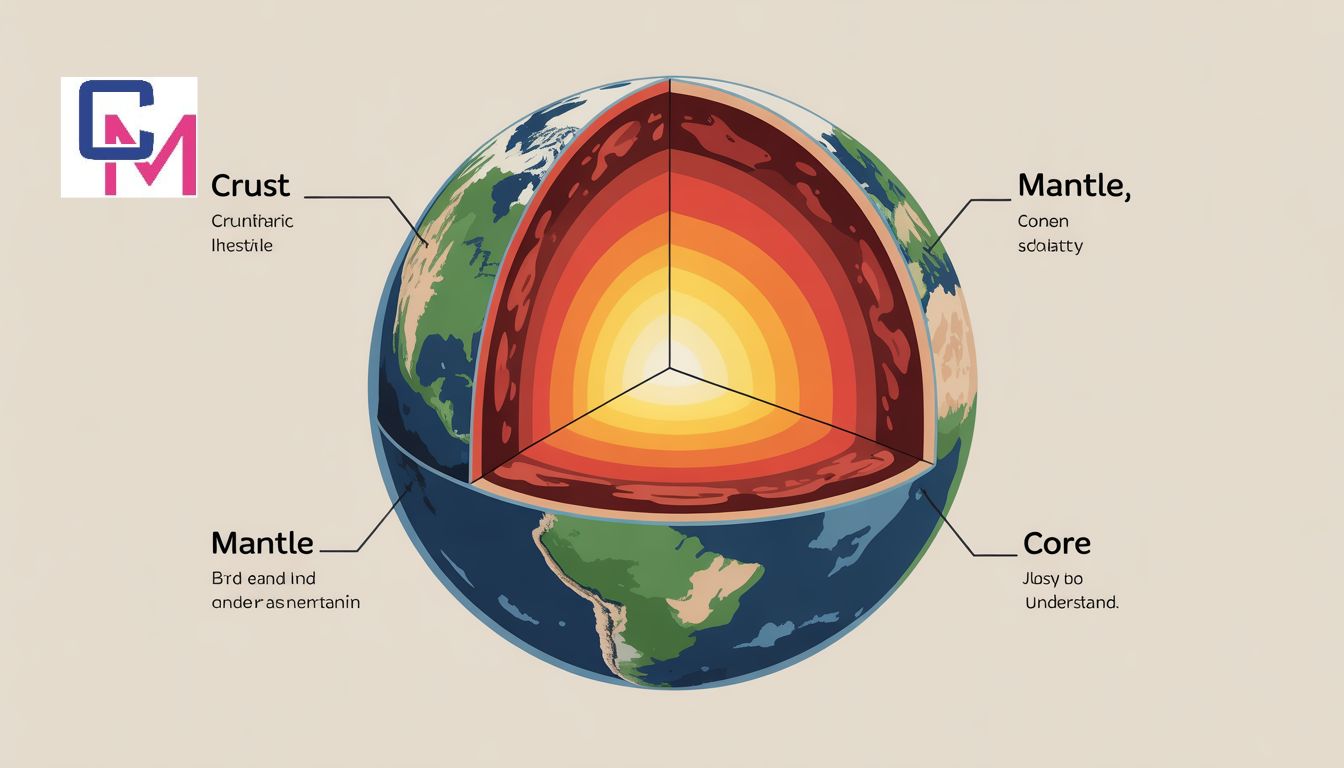
Earth has a crust, mantle, outer core, and inner core. The crust is thin compared to the rest of the planet, and it is broken into moving plates. Beneath it, the mantle is hot and slowly flowing, which helps drive plate movement over long periods. Deeper still, the core is mostly iron and nickel, and movement in the outer core helps generate Earth’s magnetic field.
This matters because Earth isn’t a “finished” planet. It is active. The heat inside Earth is a major engine of change. Many earth science topics begin right here, because internal energy shapes what happens on the surface.
Plate Movement
Plate tectonics is one of the most important ideas in modern earth science. It explains why continents move, why mountain ranges form, and why earthquakes and volcanoes cluster in certain zones.
Where plates collide, one can be forced beneath another, creating deep ocean trenches, volcanic arcs, and powerful earthquakes. Where plates pull apart, magma can rise and form new crust, often along mid-ocean ridges. Where plates slide past each other, stress builds until it releases as earthquakes.
This is not just theory. Plate boundaries influence where cities face higher seismic risk, where certain minerals are concentrated, and where volcano monitoring is essential. If you want a single concept that connects a huge number of earth science topics, plate tectonics is it.
Rocks and Minerals
Rocks are not just “stuff on the ground.” They are records. Each rock carries a story about how it formed, what conditions existed at the time, and what happened later.
The rock cycle describes how igneous, sedimentary, and metamorphic rocks form and change. Igneous rocks form from cooled magma or lava. Sedimentary rocks form from compacted sediments, often in water environments. Metamorphic rocks form when heat and pressure transform existing rock.
Minerals matter just as much. They are the building blocks of rocks, and they shape everything from soil fertility to the materials used in construction and technology. Many modern industries rely on mineral resources, which makes geology one of the most practical earth science topics as well.
Weather and the Atmosphere
Weather is what the atmosphere is doing right now. It is driven by energy from the Sun, Earth’s rotation, and the movement of air masses with different temperatures and moisture levels.
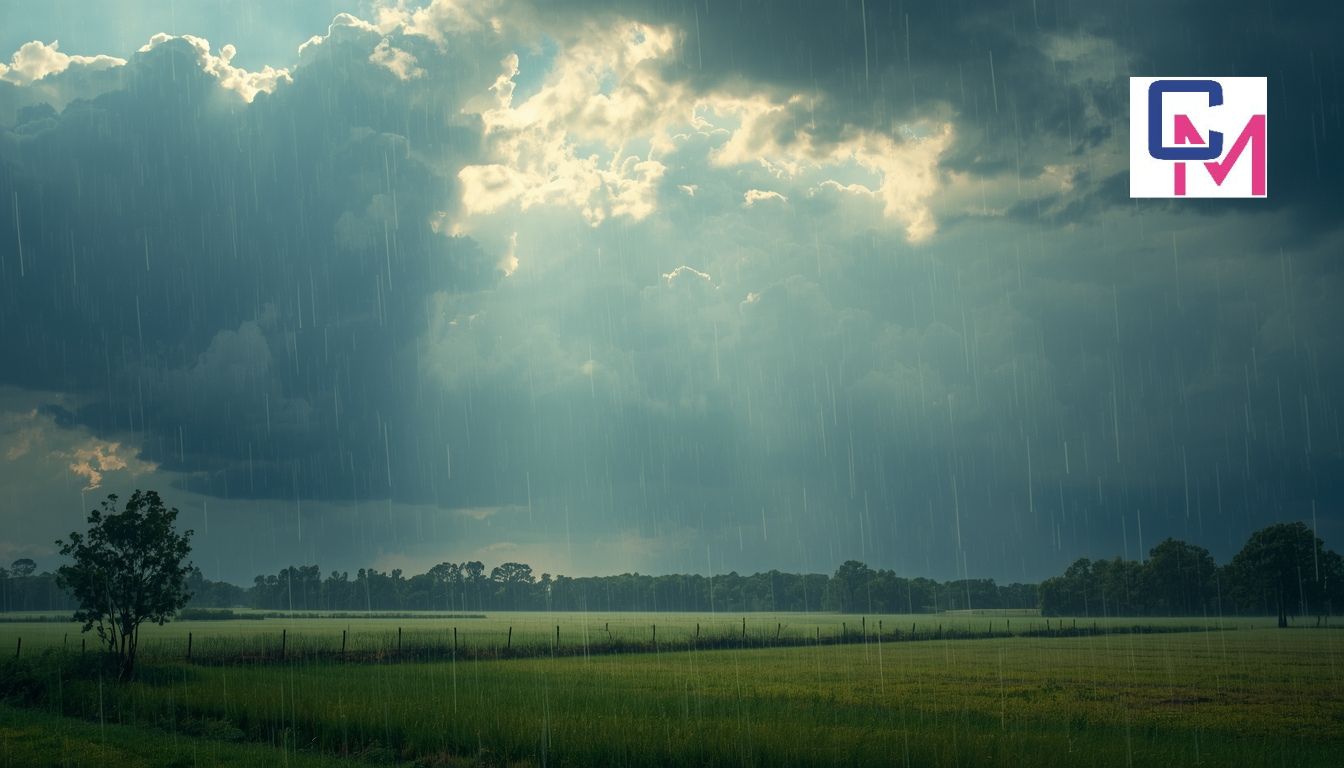
Understanding weather involves pressure systems, winds, humidity, cloud formation, and storm development. When warm moist air rises and cools, water vapor condenses into clouds and precipitation. When large pressure differences develop, winds strengthen. When conditions align, storms can intensify into severe events.
Weather science matters because it affects safety and planning. Forecasts guide farming, transportation, emergency response, and daily routines. Among earth science topics, meteorology is one of the most visible in everyday life because it directly affects what people experience day to day.
Climate
Climate is the long-term pattern of weather in a region. It includes averages and typical ranges of temperature, rainfall, wind, and seasonal cycles. Climate also includes variability, meaning it naturally shifts over time due to ocean circulation, volcanic activity, changes in solar energy, and other factors.
Understanding climate means understanding the carbon cycle, greenhouse gases, energy balance, and how oceans store and move heat. It also means learning why some changes are fast, some are slow, and why impacts differ by location.
This is one of the most discussed earth science topics today because climate shapes food systems, water availability, health risks, and infrastructure planning. It is a field where science and society meet, and where clear understanding matters.
Oceans and Water
Oceans cover most of Earth’s surface, and they influence weather and climate more than many people realize. They absorb heat, move it through currents, and exchange moisture with the atmosphere. This affects storm patterns, rainfall, and temperature trends.

Water science also includes the water cycle: evaporation, condensation, precipitation, runoff, and infiltration into groundwater. Rivers, lakes, glaciers, and aquifers are all part of the system.
Freshwater availability is not just about rainfall. It depends on geology, soil, land use, and how water is stored underground. Many earth science topics become very real when you look at drought, floods, and water quality challenges in different regions.
Natural Hazards
Earth science helps explain natural hazards and reduce their impact. Hazards are not just “bad luck.” They often follow patterns, and those patterns can be mapped, monitored, and prepared for.
Earthquakes occur when stress builds along faults and suddenly releases. Volcanoes erupt when magma rises and pressure changes. Landslides often occur when slopes become unstable due to water saturation, erosion, or earthquakes. Floods can result from intense rainfall, snowmelt, storms, or river overflow. Coastal hazards include storm surges and erosion.
Understanding risk requires more than knowing the hazard. It includes exposure (who and what is in harm’s way) and vulnerability (how well structures and communities can withstand events). This is where earth science topics connect to public safety, city planning, and community resilience.
Environmental Change
Environmental change covers shifts in land, air, and water conditions over time, including changes driven by natural forces and human activity.
Deforestation can increase erosion and change local water cycles. Urban development can increase flooding by covering ground with surfaces that don’t absorb water. Pollution can affect air quality and ecosystems. Changes in land use can alter habitats and biodiversity.
This area matters because it teaches cause and effect. It helps people see how small decisions scale up, and how policies, technology, and behavior can reduce harm. For students, this is often one of the most engaging earth science topics because it connects directly to real-world choices.
Soil and Food
Soil is sometimes overlooked, but it is one of the most valuable natural resources on Earth. It forms slowly through weathering of rock and the accumulation of organic matter. Healthy soil holds water, supports plant growth, and stores nutrients.
Soil science includes texture, structure, pH, microorganisms, and nutrient cycles. It also includes erosion, which can strip fertile layers away, reduce crop yields, and damage waterways. Practices like crop rotation, cover crops, and careful water management can protect soil health.
This is one of those earth science topics that feels quiet until you realize how much human life depends on it.
Earth’s Deep Past
Geologic time is difficult to imagine because it stretches far beyond human history. Yet Earth’s past is recorded in rocks, fossils, and layers of sediment.
Scientists use relative dating (which layer is older or younger) and absolute dating (using radioactive decay) to estimate ages. Fossils show how life evolved and how environments changed. Past climate clues are found in ice cores, ocean sediments, and ancient soils.
Studying the past helps us understand what is normal for Earth, what is unusual, and how quickly systems can shift under different conditions. Among earth science topics, geologic time is one of the best reminders that Earth is always changing, even if it changes slowly.
Natural Resources
Natural resources include water, minerals, fossil fuels, and renewable energy sources like wind, solar, and geothermal. Earth science explains how many resources form, where they are found, and how extraction affects environments.
Oil and gas relate to ancient organic materials buried and transformed under heat and pressure. Many metal ores are linked to volcanic and hydrothermal systems. Sand, gravel, and stone are essential for construction and are often sourced locally. Groundwater resources depend heavily on geology and recharge rates.
The big challenge is balancing needs with sustainability. This is why resource management remains one of the most practical earth science topics for modern societies.
Earth Science in Daily Life
Earth science doesn’t stay in laboratories. It shows up in everyday decisions.
Building safely requires understanding ground stability and seismic risk. Choosing where to live can involve flood plains, erosion zones, and heat exposure. Health can be affected by air quality, water quality, and extreme weather. Travel is shaped by storms, ocean conditions, and volcanic ash risks.
Even simple habits, like conserving water or reducing waste, make more sense when you understand the systems behind them. This is one reason earth science topics are so valuable: they turn the world from “random events” into patterns you can understand.
The Future of Earth Science
Earth science is evolving quickly through better satellites, sensor networks, computer modeling, and data analysis. Scientists can track sea level changes, ground movement, storm development, and atmospheric composition with growing accuracy.
Future work will likely focus heavily on prediction and resilience: improving hazard forecasts, strengthening infrastructure planning, protecting water supplies, and understanding how ecosystems respond to change.
But even with advanced tools, the heart of earth science stays the same. It is about observing carefully, testing ideas, and building understanding through evidence and patterns.
Final Thoughts
The world becomes easier to understand when you look at it through the lens of Earth science. Mountains, storms, rivers, and coastlines are not just scenery. They are active results of energy, motion, and time.
Learning earth science topics is not about memorizing facts. It is about building a way of thinking. You start noticing connections: how oceans shape weather, how rocks become soil, how plate movement builds mountains, how water cycles through everything, and how human choices interact with natural systems.
Once you see those links, the planet feels less mysterious and more meaningful. And that understanding is not only interesting, it is useful. It helps you make smarter decisions, ask better questions, and appreciate the world around you with a deeper sense of clarity and respect.
Your Topics | Multiple Stories and the Power of Shared Perspectives
Frequently Asked Questions
What are earth science topics?
Earth science topics focus on how our planet works, including its land, water, air, and internal processes. They help explain natural events such as weather changes, earthquakes, and the movement of oceans and continents.
Why are earth science topics important in everyday life?
They help people understand risks like floods and earthquakes, manage natural resources, and make informed decisions about land use, water conservation, and environmental protection.
How is earth science different from environmental science?
Earth science studies the physical systems of the planet, such as geology and climate, while environmental science often focuses more on how humans interact with and impact those systems.
Can students benefit from learning earth science topics early?
Yes. Learning these topics builds awareness of natural processes and encourages critical thinking about environmental challenges and sustainability from a young age.
How do earth science topics help prepare for natural disasters?
They provide knowledge about patterns and warning signs, allowing communities to improve planning, construction standards, and emergency response strategies.
About the Author
Waqar Ashraf is the Founder and Editor of Closer Magazine. He publishes informative and engaging content covering lifestyle, entertainment, wellness, trending topics, and digital culture.
Through Closer Magazine, Waqar aims to provide accurate, reader-friendly, and valuable information for audiences worldwide.
📧 closermagazine0@gmail.com
🌐 CloserMagazine.co.uk