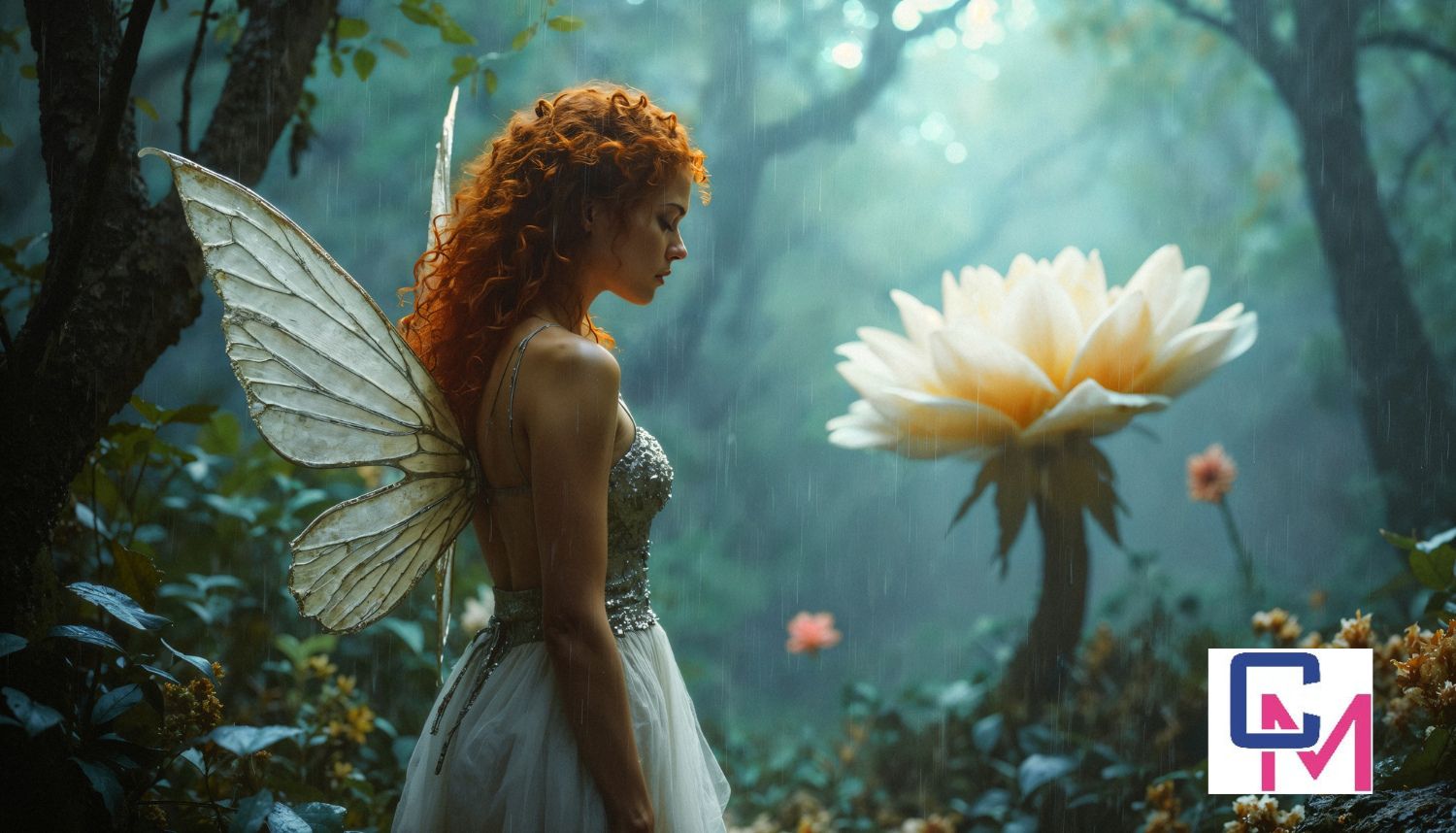

When we talk about nymphology meaning, we are exploring the idea and study behind the ancient concept of the “nymph” — a mythological nature-spirit often described in Greek and Roman traditions. A nymph was seen as a gentle, youthful being tied to a specific part of the natural world.
The word traces back to the Greek term nymphē, which originally referred to a young woman or bride. Over time, the term expanded to represent ethereal spirits that symbolized beauty, harmony, and the hidden life within nature.
Understanding nymphology meaning helps us see how this simple term captures a world of myth, language, symbolism, and cultural imagination that has influenced storytelling for centuries.
The Mythological Roots: Who Were the Nymphs?
In ancient mythology, nymphs were everywhere — not distant or unreachable, but woven into everyday landscapes. They lived in forests, springs, rivers, mountains, and oceans. They were not grand goddesses but were deeply respected as lesser divinities who protected and animated nature.
There were many types of nymphs, each with a special connection to a part of the natural world:
- Water nymphs, who lived in rivers, lakes, and fountains
- Tree and forest nymphs, whose lives were often tied to the trees they guarded
- Mountain nymphs, who inhabited cliffs, grottos, and rocky slopes
- Sea nymphs, who moved through coastal waters and ocean realms
Nymphs were often described as beautiful, graceful, and free-spirited. They were companions of gods, caretakers of natural spaces, and symbolic reminders of the world’s quiet magic.
Through their presence in myths, people of ancient times found a way to express their sense of wonder toward the natural environment.
From Ancient Times to Literature and Art — The Evolution of the Idea
As centuries passed, the idea of nymphs grew beyond mythology and entered poetry, art, and storytelling. Writers used nymphs to express themes of beauty, purity, mystery, and transformation. Artists painted them as symbols of nature’s elegance and emotional depth.
The myths surrounding nymphs blended with human imagination, helping later cultures reflect on their relationship with nature. Their stories offered a way to understand powerful natural forces — rushing rivers, whispering forests, towering mountains — by giving them a spirit, a face, and a voice.
Because of this long artistic tradition, nymphs became timeless figures that could be reinterpreted again and again, each time reflecting the values, fears, and dreams of a particular era.
What Nymphology Means in Today’s Context
Today, when someone searches for “nymphology meaning,” they are often looking not just for a definition but for insight into why this ancient concept still resonates.
For some, nymphology offers a link to a time when humans saw nature as alive and sacred. For others, it reflects a desire to connect with a deeper sense of beauty or spirituality. In modern literature, fantasy, and art, nymph-like figures still appear as symbols of wonder, mystery, and harmony.
Nymphology meaning is not limited to mythology; it touches on emotions, imagination, and the timeless way people relate to the natural world.
Common Misunderstandings About Nymphs and Nymphology
Despite their deep cultural history, nymphs are often misunderstood. Some people imagine them only as fairy-tale characters or romantic figures, missing their symbolic role as guardians of nature.
Another misconception is the belief that nymphs were immortal gods. In reality, they were considered minor divinities. They lived long lives and held power in their domains, but they were not all-powerful beings.
Understanding these distinctions is important when exploring nymphology meaning. It helps us see nymphs as reflections of natural forces, cultural values, and spiritual ideas, rather than simple fantasy figures.
Timeless Stories Connected to Nymphs — Why They Still Matter
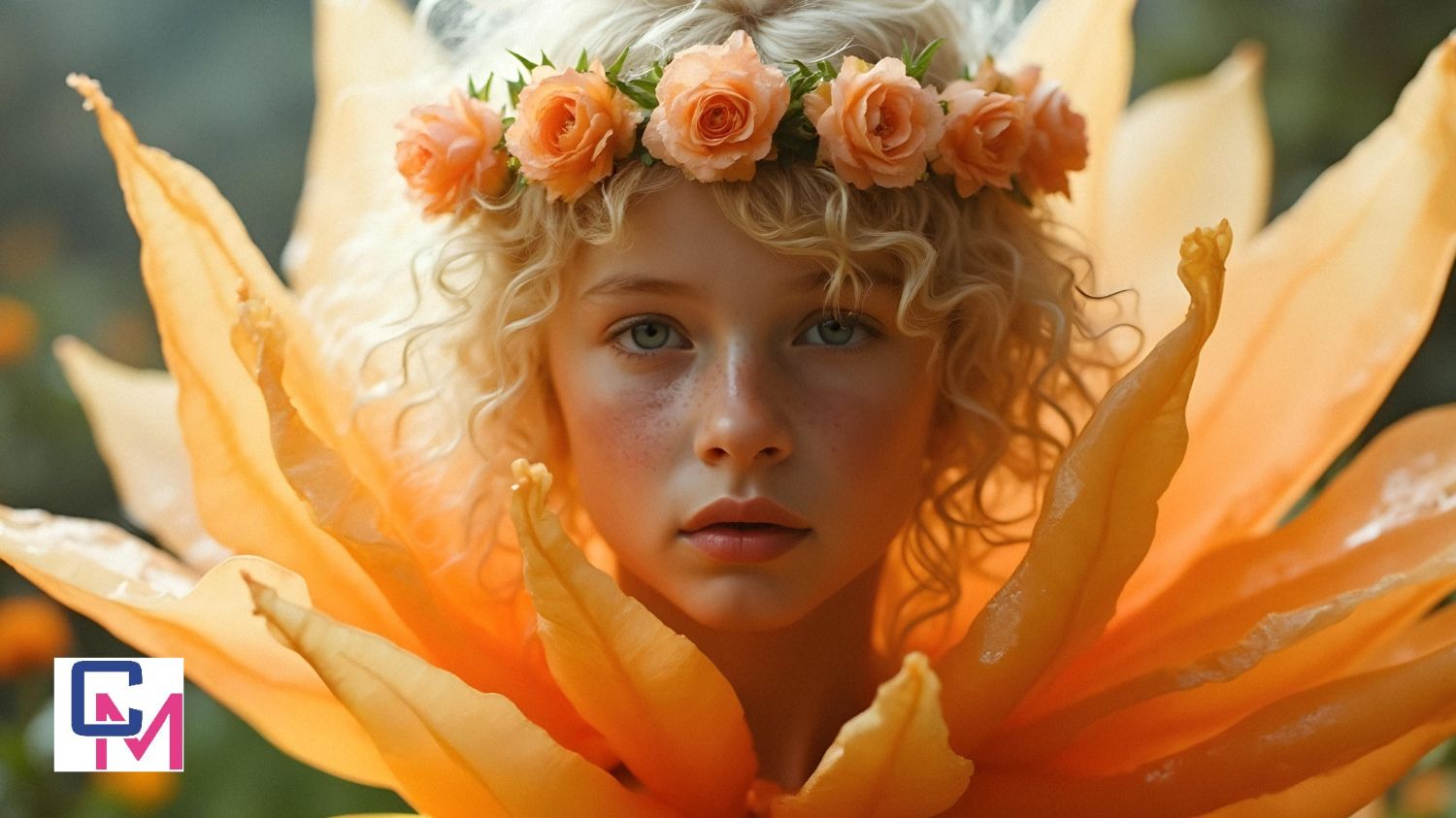
The myths involving nymphs continue to capture attention because they touch on universal themes. A water nymph associated with a healing spring symbolizes purity and renewal. A tree-bound nymph suggests the intimate connection between life and nature.
Many stories portray nymphs as protectors, caretakers, or gentle guides. Their tales teach respect for the environment and highlight the delicate balance of life. These stories help us understand how ancient cultures viewed the natural world — not as something to conquer, but as something to honor.
Even in today’s world, where science explains natural phenomena, these stories retain emotional power. They remind us of the deep connection humans once felt with the environment and still yearn for.
Why Nymphology Still Holds Value for the Modern Mind
The appeal of nymphology meaning lies in its emotional and symbolic richness. In a time when many people feel disconnected from nature, the ancient idea of nymphs offers a gentle reminder to slow down and appreciate beauty in simple things — the sound of flowing water, the rustle of leaves, the calm of a mountain breeze.
For artists, writers, and thinkers, nymphology provides a source of inspiration. It allows them to express human values through mythic imagery, blending storytelling with spiritual or emotional reflection.
It also offers a way to reconnect with cultural roots and understand how ancient ideas continue to shape the stories we tell today.
Reflections: What Nymphology Means for You and Me
In the end, exploring the nymphology meaning is not just an academic exercise — it is a way of rediscovering our relationship with the natural world. Whether or not we believe in mythical beings, the symbolism of nymphs encourages us to appreciate life with more depth and sensitivity.
It invites us to imagine forests as living spaces, rivers as sources of harmony, and mountains as places of strength. It also reminds us that ancient people found meaning, comfort, and inspiration in nature — something we can still learn from today.
Nymphology becomes a gentle bridge between myth and reality, encouraging us to carry a bit of ancient wonder into our modern lives.
The Story of Nikki Hakuta: Family, Identity, and Finding Her Space
FAQs
1. What does nymphology meaning refer to?
Nymphology meaning refers to the study or understanding of nymphs — the mythological nature spirits found in ancient Greek and Roman traditions. It explores their stories, symbolism, and cultural impact.
2. Who were nymphs in mythology?
Nymphs were gentle, nature-connected beings associated with forests, rivers, mountains, and seas. They were not gods but were respected as spirits who guarded and personified parts of the natural world.
3. Why is nymphology still relevant today?
Nymphology remains meaningful because it reflects humanity’s long-standing connection to nature, beauty, and imagination. It inspires art, literature, and personal reflection even in modern times.
4. Is nymphology a scientific term?
No, nymphology is not a scientific term. It is more of a cultural and literary concept focused on the symbolic and mythological understanding of nymphs.
5. What can we learn from nymph stories?
Nymph stories teach respect for nature, awareness of beauty in everyday surroundings, and an appreciation for myths that connect human emotions with the natural world.
About the Author
Waqar Ashraf is the Founder and Editor of Closer Magazine. He publishes informative and engaging content covering lifestyle, entertainment, wellness, trending topics, and digital culture.
Through Closer Magazine, Waqar aims to provide accurate, reader-friendly, and valuable information for audiences worldwide.
📧 closermagazine0@gmail.com
🌐 CloserMagazine.co.uk



Pingback: Who Is Paco Zazueta? A Gentle Portrait of His Journey and Life - Closer Magazine